


 SIGN UP FOR OUR
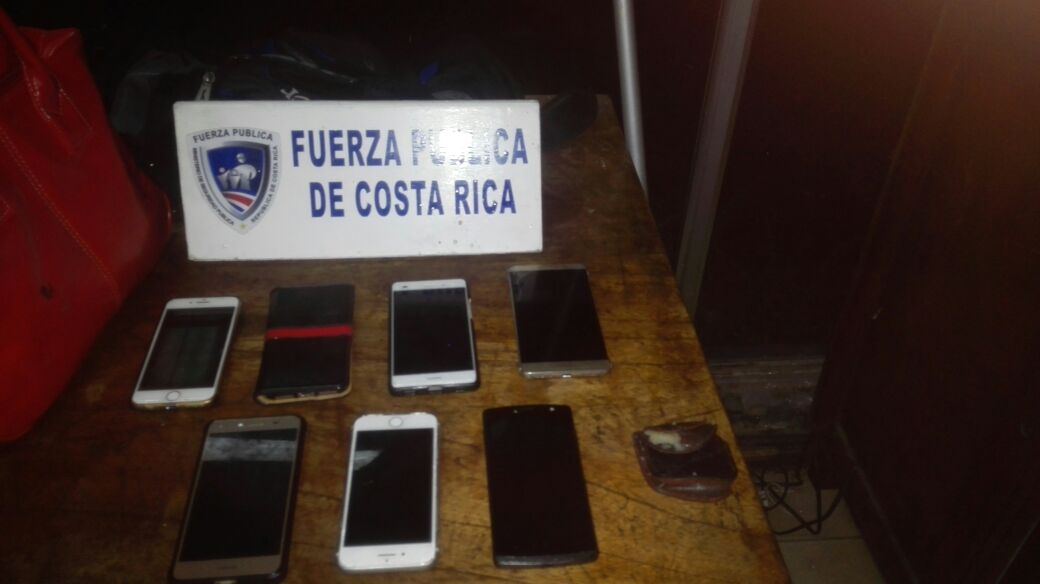
Walking through downtown San José between the hours of 3 – 10 p.m. is considered the most likely way to be the victim of an assault in Costa Rica, according to the most recent data from the Judicial Investigation Agency (OIJ).
San José’s central area – comprised of the Hospital, Merced, Catedral and El Carmen districts – is where most of the country’s assaults occur, according to Marco Carrión, head of the assault section at the OIJ.
A total of 5,574 assaults have been reported in the province of San José, Costa Rica so far this year, of which 4,652 have been pedestrians. About 620 complaints per month – over 20 per day – are registered in downtown San José alone.
Bus stops, and near banks and teller machines, are the most vulnerable sites, with the Alajuelita bus stop being the most dangerous for pedestrians, said Carrión.
Downtown San José is followed by Desamparados, San Pedro de Montes de Oca – where the main campus of the University of Costa Rica is located, and the center of Goicoechea for high numbers of assaults on individuals.
Acosta is the canton in San José, in the rural southern part of the province, where the fewest numbers of such incidents are reported.
The most common method is pedestrian on pedestrian attacks, followed by attacks carried out by criminals who travel by car or motorcycle.
Assailants’ most common weapons are firearms and knives, and the most common victims are people between 18 -25 years old as well as seniors.
Putting up resistance to an assault leads to injury in an average of four out of 10 assaults, said Carrión, and most crimes are reported between 3 – 10 p.m.
Exposed, readily snatch-able items are attractive for street criminals. So to avoid petty theft, leave your valuable jewelry at home when traveling by bus or foot, and keep your wallet, cell phone and other electronics tucked well away.



