


 SIGN UP FOR OUR
 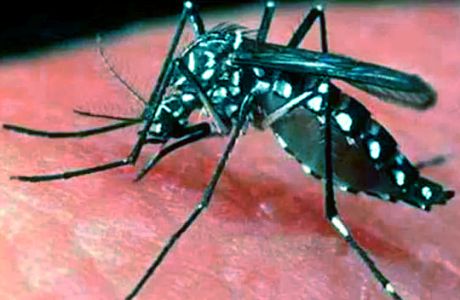 Officials from the Ministry of Public Health in Costa Rica have tallied the latest dengue (or breakbone) fever infections and have announced that the national vector-borne epidemic has finally come to an end. In the Guanacaste region, however, residents and tourists should continue to take precautions since they were the last to be affected by the epidemic.
According to a news article published by Primero en Noticias, an online news daily that covers the Santa Cruz and Guanacaste regions, there were 392 dengue fever infections throughout Costa Rica during the last week of November. This is a welcome figure in comparison to late June, when 2,364 cases were reported, which was a historically high number.
In Guanacaste, the Santa Cruz canton reported 23 infections, down from 73 the previous week. The Health Ministry is not giving up on intervention and prevention, however. Public health workers are going door-to-door in various neighborhoods to check residences for possible breeding grounds of the Aedes aegypti mosquito species. Fumigation teams will continue their cleanup and spraying duties in the region.
Public health officials in Costa Rica at one point feared that 50,000 dengue fever infections could have been reached in 2013. The current count is 48,700, but officials are seeing a tremendous decline. 2013 has been the Year of the Dengue worldwide. Scientists and researchers believe that climate change and a mutation of the dengue mosquito is to blame for the global spread of this tropical infectious disease.
Portugal and other nations in Europe have seen their share of infections, as well as Australia and New Zealand. India, Indonesia and Vietnam are currently dealing with record numbers of infections, the Dominican Republic and Haiti have been sadly affected by dozens of related deaths, dengue fever advisories are being issued across Florida and Texas, and football fans are being warned about the significant dengue fever rates of infection in Brazil as they head to the FIFA 2014 World Cup.
Although Costa Rica suffered a record number of infections in 2013, mortality here is extremely low, in fact, it is the lowest among tropical regions of the world. Since the dengue mosquito traveled from the southern region of Costa Rica to Guanacaste, residents and visitors in that province are urged to heed public health warnings. To learn more about precautions and early intervention, please read our previous article on this matter: Health Ministry in Costa Rica Issues Alert Over Dengue Fever.



