


 SIGN UP FOR OUR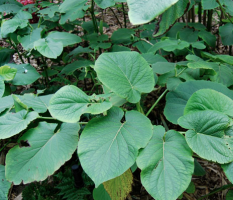
Piper auritum (root beer plant) in Guanacaste
As medical tourism continues to grow in certain regions of Costa Rica such as Guanacaste and the Central Valley, many visitors are beginning to take an interest in herbal medicine and holistic treatments. Medical tourism in Costa Rica is mostly focused on conventional medicine and surgical procedures, but more patients are seeking yoga and herbal remedies as ways to improve their overall health.
Herbalism is one of the oldest healing sciences (only spiritual healing is older). A few millenniums ago, The Sumerians cataloged plants according to their perceived medicinal effect, and the earliest canon of Chinese medicine -the Huangdi Neijing– indicates that herbalism may have been in practice since the Bronze Age.
Although the Chinese are the earliest practitioners and researchers of herbal medicine, indigenous tribes in the Americas have utilized a more hands-on and traditional approach to medicinal plants. In Costa Rica, the Bribri people, for example, blend herbal and spiritual healing. The Cabecar people utilize a similar approach: They think that we get sick because of a perturbation in our relationship with nature, and thus the ingestion and application of certain herbs, plants or roots as well as a change in lifestyle can restore the balance.
Some of the plant species used in Costa Rica for medicinal purposes include Piper auritum, star leaf or root beer plant, for headaches. In Guanacaste, the Chorotegas use the tree known as indio desnudo (naked indigenous or Bursera simaruba) for its bark, which can alleviate stomach ulcers or be used as a diuretic.
The Mercado Central in Costa Rica (Central Market) has quite a few herbalist shops that compete against macrobioticas. The former are traditional while the latter are a 21st century phenomenon caused in part by the influx of foreigners from the Andean and Amazonian regions, who are regarded as master herbalists. In Guanacaste, South American macrobioticas outnumber the shops operated by Chorotegas.



