


 SIGN UP FOR OUR
 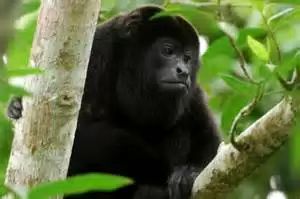 A business consortium in Guanacaste will be keeping a close eye on arboreal wildlife with a network of eight cameras that will monitor animals as they negotiate the forest canopy and high tension power lines. Coopeguanacaste, a major electrical utility company in the Santa Cruz canton, recently installed new devices on portions of their power infrastructure to discourage monkeys, coatis, sloths, kinkajous, and other fauna from becoming accidentally electrocuted, a tragic side effect of real estate and tourism development in Costa Rica.
Coopeguanacaste installed the cameras at the Monte Grande Hacienda, otherwise known as Finca Los Brenes. The devices being monitored for their effectiveness are called “paletas,” which are essentially barriers that block the path of arboreal creatures and discourage them from holding on to high tension wires. The cameras were recently installed in an area where electrocutions were rampant; even after insulating the power lines, curious monkeys and other animals still approach transformers and other dangerous high voltage hardware.
According to online news site Primero en Noticias, the section of the electrical utility grid being monitored now used to register a high number of electrocutions prior to 2013. Once the new devices were installed, technicians have not received any complaints about power outages, which used to coincide with electrocuted wildlife. With the new cameras in place, Coopeguanacaste wants to get a better idea of how monkeys and other animals are reacting to the protective devices, which the company intends to install elsewhere in Costa Rica.
The protective devices have also been installed in Playa Potrero and Nambi. Approximately 1,000 devices are now in place in the newer sections of the grid. Video from the cameras monitoring these devices will provide technicians and wildlife management specialists with real-time information to help them come up with better methods to prevent electrocutions and improve service to their clients.



