


 SIGN UP FOR OUR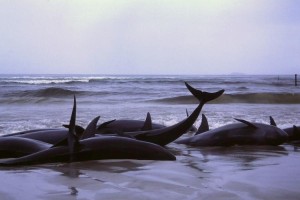
Wikimedia Commons
Santiago, Dec 3 (EFE).– A veterinarians’ association and an oceanographer said a group of scientists who discovered more than 330 dead whales beached in southern Chile put public health at risk by concealing that information for more than five months.
The scientists who made the find in June and reported it to Chilean authorities on Nov. 17 allegedly withheld the information from the government and the rest of the scientific community with a view to publishing an exclusive in a prestigious international academic journal, EFE learned.
In April, Vreni Haussermann, who directs Chile’s Huinay Scientific Field Station, found the bodies of around 30 stranded sei whales in the Gulf of Penas in the country’s far south and reported the find to the National Fisheries and Aquaculture Service, which headed up an investigation into the deaths a few weeks later.
But Haussermann was dissatisfied with the research conducted and samples taken and formed her own team that secured funding from the National Geographic Society/Waitt Grants Program for an observation flight over the area that led to the discovery of 337 more beached whales between the Gulf of Penas and Puerto Natales.
In exchange, a deal was supposedly struck with that research funding program to withhold the information for several months.
The 30 beached whales spotted in April and the 337 detected in June are part of the same mortality event, oceanographer and whales expert Susannah Buchan told EFE Wednesday.
“Concealing the information for five months and not reporting it to the relevant authorities is a serious ethical breach” on the part of Haussermann and her team, she said.
Chile’s Wildlife Veterinarians’ Association, for its part, said in a statement Wednesday on its Web site that the “significant omission” had caused a months-long delay in field research.
It also said the delay in reporting the finding was a public-health issue since researchers suspect a red tide, or algal bloom, which is also harmful to human beings, may have killed the whales. EFE



