


 SIGN UP FOR OUR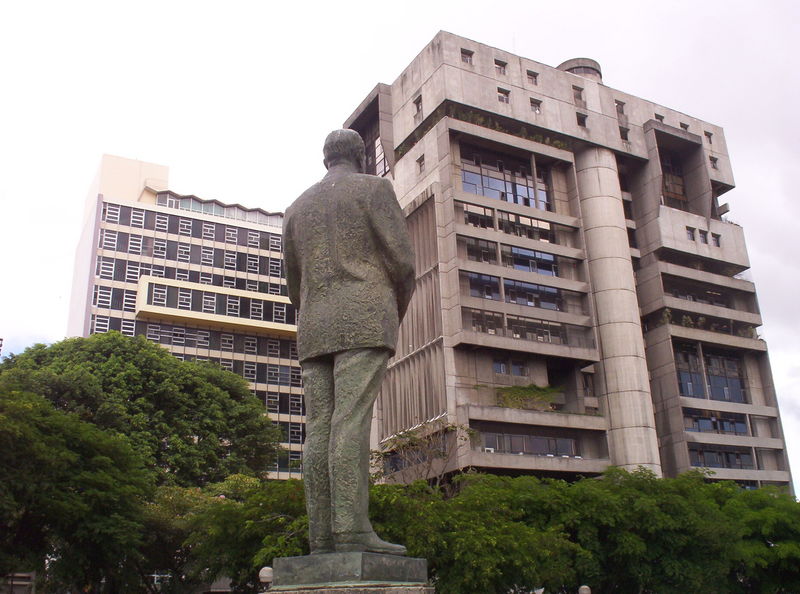
(ICR/CRS Archive)
The Costa Rican public health and social security administration, known as CCSS or ‘La Caja,’ is preparing to shutdown the headquarters of Costa Rica’s ruling political party, the Citizen Action Party (PAC), as the result of unpaid mandatory employer contributions of some ¢380 million (~US $710,000) that PAC failed to pay during a four-year period between 2006 and 2010, the daily La Nacion reported this week.
PAC was notified of the debt in September after the conclusion of an investigation of a complaint by libertarian lawmaker, Carlos Gongora (ML) in 2012.
The party was given a deadline to cancel the debt by February 15th, which has now passed.
In addition to shutting down party headquarters – as the CCSS does with any other delinquent business – the CCSS has also requested that any State contributions to the party be transferred to the CCSS until the debt has been paid in full.
PAC president, Margarita Bolaños said that the party lacks the financial resources to pay the debt.
Costa Rica’s central government owes CCSS far, far more
While it may come as a surprise that the country’s ruling political party is in arrears with the CCSS, the party’s debt to the social security system pales in comparison to that of the central government.
The central government is some ¢750 billion, or about US $1.4 billion, in arrears with the CCSS as the result of unpaid employer contributions for its tens of thousands of employees.
Costa Rican president, Luis Guillermo Solis announced in October last year a payment of ¢25 billion, or about US $46.7 million, toward the debt. The payment represented little more than 3 percent of the government’s debt arrears to the CCSS.
For its part, the central government said in October that amongst the options being considered to pay for its debt to the social security system was a loan from the World Bank of about US $424 million, which would reduce the debt by another 40 percent, though such a loan would require the approval of lawmakers in the Legislative Assembly.



