


 SIGN UP FOR OUR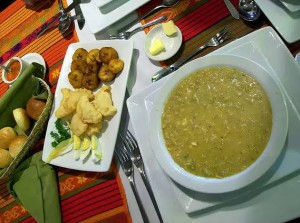
Fanesca in Ecuador
Faith travel or religious tourism has gained popularity over the years. This is a type of cultural tourism whereby people visit other parts of the world in order to see how their own faith is practiced, or to learn about how society is affected by religion (or even the other way around).
Costa Rica may be the only constitutionally Catholic country in Latin America, but Christianity and Catholicism are predominant in all countries in the region; Brazil, for example, boasts the largest number of Catholics in the world.
Easter Week is a special time of the year to learn about traditional celebrations and special dishes in Latin America. Many Catholics change their eating patterns during Lent season, which starts with Ash Wednesday until Easter Sunday. Fat Tuesday (Mardi Gras) is supposed to be the last day for Catholics to indulge, for once Lent begins with Ash Wednesday, a certain amount of moderation and abstinence is supposed to take place.
In the past, Catholics in Costa Rica gave up smoking, alcohol, meat, sweets, and other goods that were not in line with a season of reflection. Traditions have changed, and most Ticos now enjoy sweets and replace meat with fish and seafood. Alcohol is not given up during the entire Lent season, but rather when dry laws are enacted.
Other Latin American countries follow Lent in their own way, which makes for a variety of delicious alternative recipes that follow the lenten tradition and become seasonal. Most of these recipes forego meat and replace it with either fish, seafood or lentils (hence the name Lent).
Here are some of the dishes that religious tourists in some Latin American distinations can expect during Easter Week:
Argentina – Empanada de Vigilia
This South American country is renowned for its cuisine, which is heavily based on quality meat recipes. Catholics in Argentina replace meat recipes during Lent with equally tasty recipes, including paella and empanadas de vigilia (Vespers pastries). These are made with Roquefort cheese, mozzarella, walnuts, olives, peppers, and sugar.
Brazil – Sweet Bean Stew
Fresh red beans are the main ingredient in Brazil during Easter. They are slow-cooked for several hours and made into a stew that mixes in sugar, coconut milk, sweet potatoes, cookies (like our own Marias from Pozuelo) and spices.
Costa Rica – Anything with Chiverre
Ticos love chiverre during Semana Santa. Cucurbita ficifolia is a type of squash or pumpkin that yields a delicious fiber which can be turned into a jam to fill just about everything. Making of the jam is quite elaborate, as it calls for cinnamon, ginger, lemons juice, tamarind and fig leaves, raw sugar, and more depending on the cook. After it’s slow-cooked for a few hours, it can be used as sweet filling or topping.
Ecuador – Fanesca
This is a dish that celebrates the end of Lent. It is a thick stew that mixes different types of corn, lentils, beans, milk, cheese, squash, and pieces of smoked codfish. It is accompanied with tiny empanadas and fried plantains. This is an elaborate slow-cooked recipe that is quite a feast.
Paraguay – Chipa
Not many Catholics in Paraguay give up meat during Lent, at least not until Holy Thursday. On that day, families gather around the tatakua, an earth oven, and make a complex and rich meat stew that is eaten on Holy Thursday. For Good Friday, Paraguayan Catholics only eat chipa, a savory pastry made from corn paste, milk, cheese, eggs, and oil.



