


 SIGN UP FOR OUR
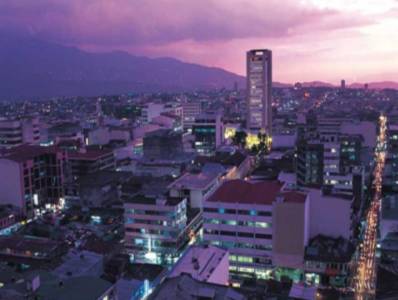
In the early morning house of Saturday, April 1, a couple signed into a hotel in downtown San José. Only one of them left alive.
Some people in the hotel noted that the man left the hotel about a half an hour after the couple had gone up to the room, but the woman failed to come out of the room for many hours. Hotel staff were alerted to the suspicious scenario.
Hotel staff entered the room after receiving no response to their calls, and, upon observing the lifeless woman lying on the bed, they immediately contacted the police.
Because the case is still under investigation, details regarding the hotel, the victim, and the alleged suspect are still unavailable, said the Judicial Investigative Police (OIJ) in a press conference on the homicide.
What is known, is that the two signed into the hotel as a couple at about 2:30 a.m., and that the woman was found clothed with no sign that she had been undressed or had had her clothes rearranged. Neither of the individuals have a criminal record in Costa Rica.
In the initial police report, officials said that bruises on the victim’s neck were plainly visible, which led them to believe she had been strangled. The autopsy then confirmed a bone in her neck had been broken and declared the cause of death to be homicide by strangulation – by the murderer’s bare hands, detailed the OIJ.
Within 48-hours, police had enough clues to allow them to locate and arrest the man they believe to have strangled 26-year-old Guerrero Delgado. Police only revealed that the young Costa Rican woman lived alone in San Antonio de Escazú, a western San José district.
Police said they were aided by people close to the victim, who provided the many details needed to capture the suspect, a man, Romero Robles, of Salvadoran citizenship, who was deported from Los Angeles, California on September 22, 2016.
He was found outside his residence in Alajuelita, a densely populated district in southern San José, less than two days after the murder
After Romero Robles was deported to San Salvador, El Salvador, he traveled to Costa Rica as a tourist there days later, on September 25, 2016. He came by bus and crossed the northern Costa Rican border with Nicaragua at Peñas Blancas with a tourist visa, which he then overstayed.
Police say that forensic and other evidence, plus witness testimonies, have given them overwhelmingly clear evidence to suspect Romero Robles committed the murder.
What remains unclear are the motives for the horrific act, as well as details as to the type and length of relation that existed between Guerrero and Romero.
Police have requested a search warrant to collect evidence from Romero’s residence in Alajuelita, in particular to search for some of Guerrero’s belongings that appeared to be missing when her body was found; and are also awaiting response from U.S. diplomatic channels regarding information they might have on Romero and the circumstances surrounding his deportation from the U.S. last year.



