


 SIGN UP FOR OUR
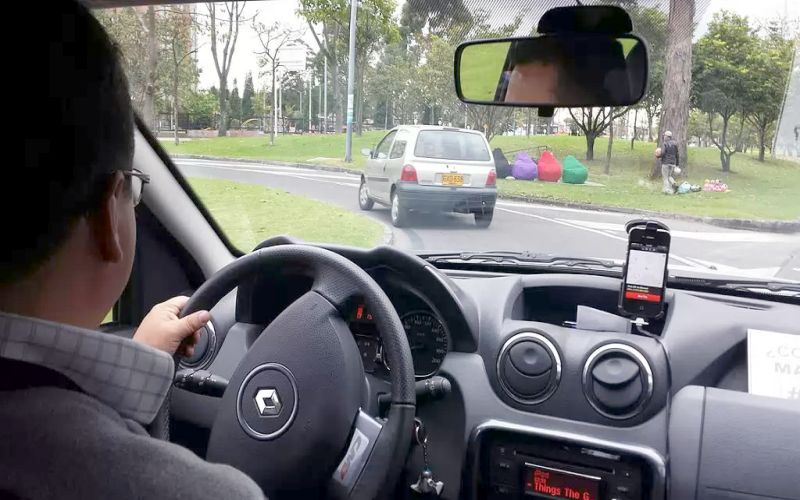
Recent weeks have seen an increase in actions targeting Uber drivers in the San José, Costa Rica metropolitan area – from tickets to removing their license plates, to occasional street scuffles.
The ongoing uncertainty swirling about as to whether or not other types of taxi services are permitted to operate in Costa Rica has created a climate of tension in which “official taxis” have tended to pit themselves against Uber. Uber’s popularity has skyrocketed since it entered Costa Rica’s market over a year ago, creating the first real competition for the country’s “red taxis.”
Uber drivers are calling for the advance of a bill introduced in February by Citizen Action Party (PAC) legislator, Franklin Corella Vargas, which would create a “regulatory framework to regulate and promote collaborative mobility (File No. 20.113),”according to the PAC website.
Uber announced they would demonstrate this afternoon in a show of support for moving towards clear regulations that permit various operators in the taxi and collective transportation industry, as reported in Diario Extra, a national Spanish language paper.
The planned event will involve Uber drivers traveling up the Rohrmoser Boulevard east to La Sabana and then on to the Legislative Assembly in downtown San José at 1 p.m.
The legislation, which has Uber’s support, would set up the conditions required for all types of “collaborative mobility,” whether they be for-profit or not-for-profit; and is based on regulatory systems that have been successfully implemented internationally. A Costa Rican private company similar to Uber recently announced its plans to enter the market later this year.
Corella’s initiative was developed through a process of dialogue with civic groups and public institutions, said the PAC.
“There are only two options: We approve the project to regulate collaborative mobility, or we continue to suffer from strikes, demonstrations and senseless violence. All this caused by the lack of dialogue,” said Corella.
The proposed legislation also includes incentives for public institutions and private companies to create incentives for their staff to reduce the use of private cars for commutes.
Another important element of PAC-sponsored initiative is the creation of a National Mobility Fund (FNM, in Spanish), which would be financed by a 3 percent surcharge on each trip made by for-profit transportation companies. The resources generated by the fee would be used to improve public transportation, said the PAC.



