


 SIGN UP FOR OUR
 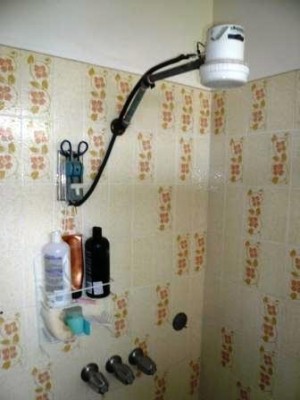 In typical Tico housing, standard two-prong electrical outlets are commonly installed. These outlets, also known as receptacles or plugs, serve to provide ready-to-use electricity for all devices. These electrical outlets deliver power to everyday items such as appliances, lights, computer equipment, and suicide showers.
In most new construction, electrical outlets supply the power and are visible to the average person. However, the real technology is going on inside the walls and ceilings to get the electrical current to the individual outlets. Electrical wiring travels from the electrical breaker panel to the outlets, with stops at other outlets or lighting fixtures along the way. For an outlet to function, the hot wire (usually a black or blue wire) will leave the panel and bring the power to the outlet, while a second wire, the neutral wire (usually a white wire) returns the power from the outlet to the electrical panel. The power is brought to the electrical device (an outlet in this case) and then circles back to the panel. This is where the term electrical “circuit” came from. A third wire is sometimes present. This wire (typically green in color) serves as a grounding wire. If this grounding wire is not connected to a copper grounding rod, installed deep in the ground, outside your residence, the electrical grounding system will not function properly and you and your electrical devices are at risk.
Since 1992, I have been upgrading old Tico electrical and plumbing systems to eliminate the dangerous suicide showers and replace them with instant hot water heaters. The newer heaters consume a great deal of electricity, but only when you’re using hot water. Therefore, they are more economical than a standard hot water tank that is constantly consuming electricity, 24/7, to keep the water in the tank warm.
If you install one of the 220-volt model instant heaters in a typical Tico home, you may find that the lights dim when the heater is working. Many times, low voltage can cause the heaters not to function properly and the water output not to reach the proper temperature. If you’re living in an older home, inadequate electrical current could be your problem. If you have a newer home, built to higher standards, and you’re experiencing this problem, have an experienced electrician check the amperage of the breakers that supply the electricity to your heater.
A potential problem with low hot water pressure or temperature when using the instant hot water heaters is that they have small internal filters that get clogged up from the slightest amount of particles that have entered the water lines during installation. Before connecting the tubes to the heater, the water lines need to be bled, in order to remove particles that can be the result of cutting the PVC water lines during installation.
Moreover, the manufacturer’s installation guidelines do not specify that metal-braided water connections be installed at the cold-water input or the hot water output. The heat created by the heating units can cause the PVC tubing to expand, contract and leak, if the heater is not shut off at the breaker box after every use. Since most people do not want the hassle of shutting off the electrical breaker after every use, I install braided metal connections at the input and output connections of water. I also add a six-inch metal extension tube at the threaded connection for the pressure release valve, so that the heat from the unit does not cause the valve to open and drain the heater of water.
WARNING: If you are planning on living with a suicide shower in your residence, at the very least install a GFI device in the breaker box or where it connects to the electrical outlet in the wall or ceiling.
Many typical Tico homes have only two-prong electrical outlets. Modern electrical installations include three-prong outlets, allowing the hot, neutral and ground wires to all be connected to the individual outlets.
Near bathtubs and sinks, you should already have or install GFI receptacles. GFI stands for ground fault interrupter. These outlets, which are standard in North America and most of the real world, are extremely sensitive and installed, or should be installed, close to water outlets. A GFI outlet can save lives, as it will trip (turn off) much like a circuit breaker, if it detects more power coming into the hot wire than leaving through the neutral wire.
If you accidentally touch a suicide shower while you’re bathing, you will be shocked. With the typical Latino electrical wiring and your suicide shower connected directly to an ungrounded electrical outlet, the power would continue to pass through the water and your wet, ungrounded body. In all likelihood, you would be electrocuted. However, if your suicide shower were wired into a GFI receptacle, and you accidentally came into contact with any part of the shower, the GFI would sense the lack of electricity returning to pass through the neutral and shut off the electrical current. When a person comes into contact with an electrical device that is not grounded properly, the electricity passes through your body instead of the neutral and then trip, thus cutting the electrical current to the suicide shower and saving your life.
Next time you’re taking a nice warm shower; think about how much you’ve taken for granted all your life in the real world, until you moved to the jungle. Be safe, not sorry!



