


 SIGN UP FOR OUR



Costa Rica’s national park system is about to get a major boost with the inauguration of top notch new facilities in a northern lowland protected area teeming with biodiversity.
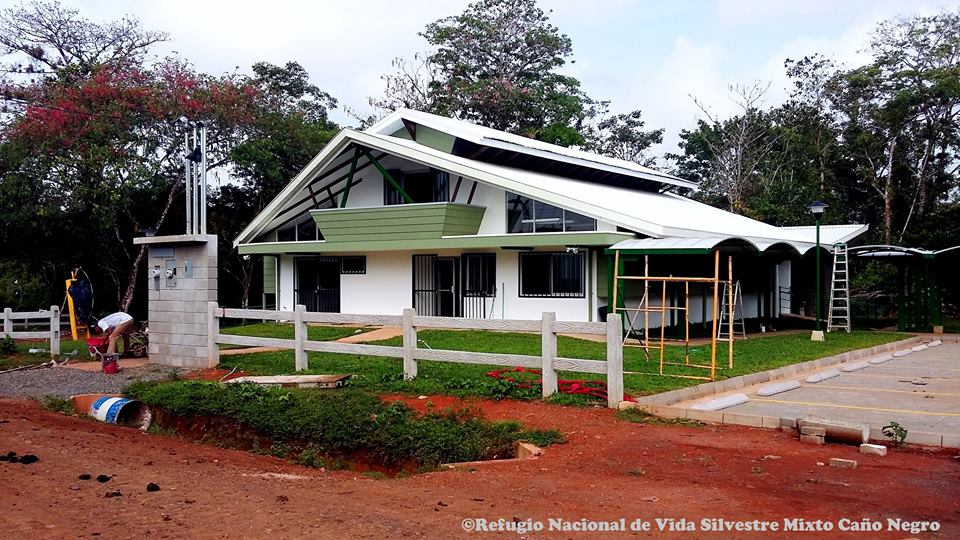
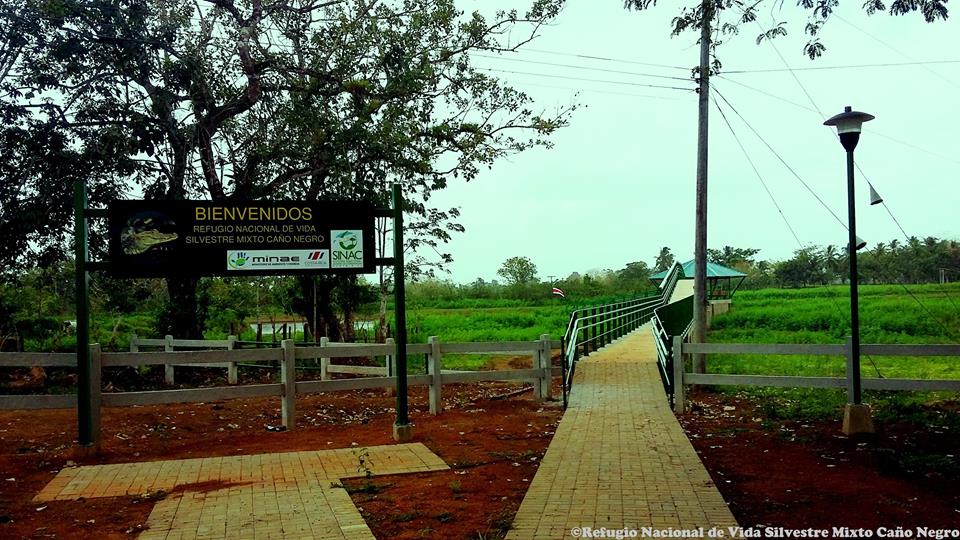
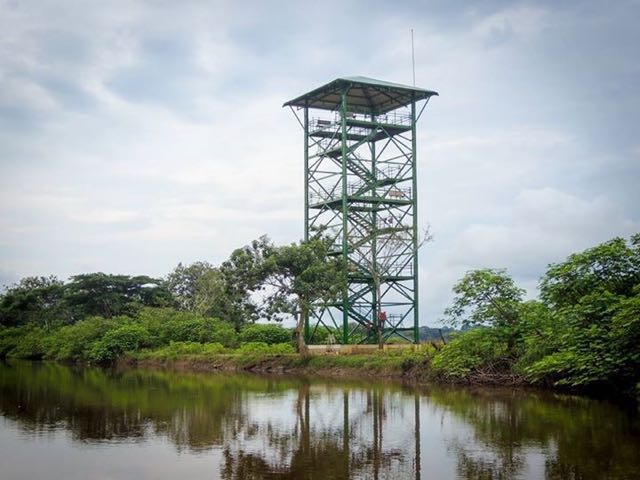
A visitor’s center and a series of accessible walkways spanning parts of the wetlands and seasonal lakes at Costa Rica’s spectacular Caño Negro Wildlife Refuge will be inaugurated Friday, August 4, reported the National System of Conservation Areas, SINAC.
Previously only accessible by boat, the installations open the wetlands that abound with bird life and other animals to virtually any visitor, including those in a wheelchairs, small children and others who may not be able to partake in boating.
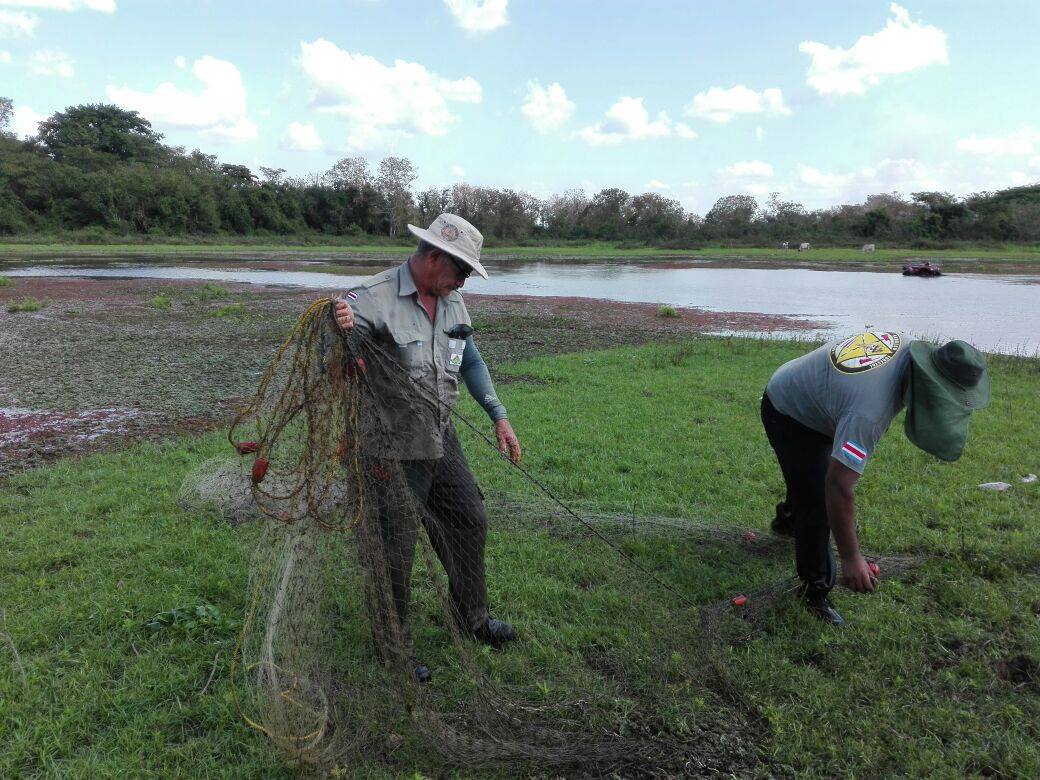
Those who do wish to explore by boat are welcome; and some fishing is allowed during certain parts of the rainy season. The region is home to the prehistoric garfish.
The Caño Negro Wildlife Refuge was established in 1984 and is internationally recognized as a protected wetlands under the United Nations Ramsar convention. The lowland region is hot, with temperatures ranging from 70 – 90ºF.
The refuge is host to record numbers of migratory waterfowl. The freshwater lowlands lake which forms in the rainy season is fed by the Frio River.
Located 80 miles north of San José over windy roads and some rough terrain between the counties of Los Chiles and Guatuso, in the northern part of Alajuela province, the park consists of 25,100 acres and receives an average annual rainfall of 120 inches, so bring your rain slicker!
The new eco-friendly-designed infrastructure consists of a visitors center with bathrooms, an exhibition room and souvenir shop. There is parking for 16 light vehicles and two buses, as well, said the SINAC.
A new pier adjacent to the visitor’s center provides entrance into the protected area throughout the year, and overlooks the Frio River.
The forests, grasslands and marshes of the area provide shelter for various endangered species including cougars (as seen in the video from a hidden forest camera below), jaguars, tapirs, ocelots, peccary and several species of monkey – capuchin, mantled howler and Geoffroy’s spider monkey.
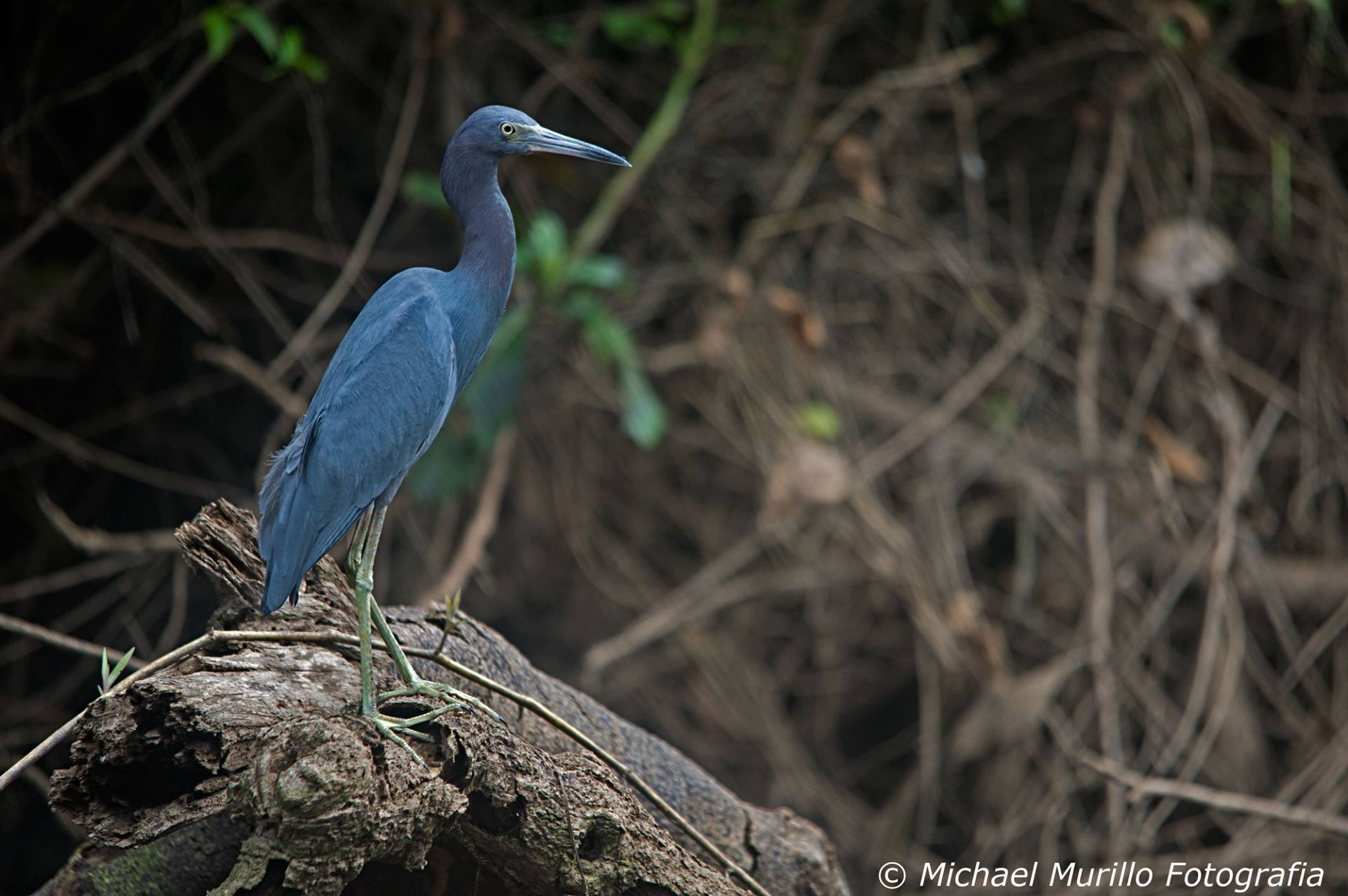
In the dry season the river is reduced to little lagoons, channels and beaches which provide perfect conditions for thousands of migratory birds including storks, spoonbills, ibis, anhingas, ducks, herons, and cormorants.
Driving directions from San Jose: Take the highway to Alajuela. From there, drive to Ciudad Quesada, also known as San Carlos, then drive toward Los Chiles. About 4 miles before you reach Los Chiles, you will see the turn-off to the new bridge to Caño Negro.



