


 SIGN UP FOR OUR
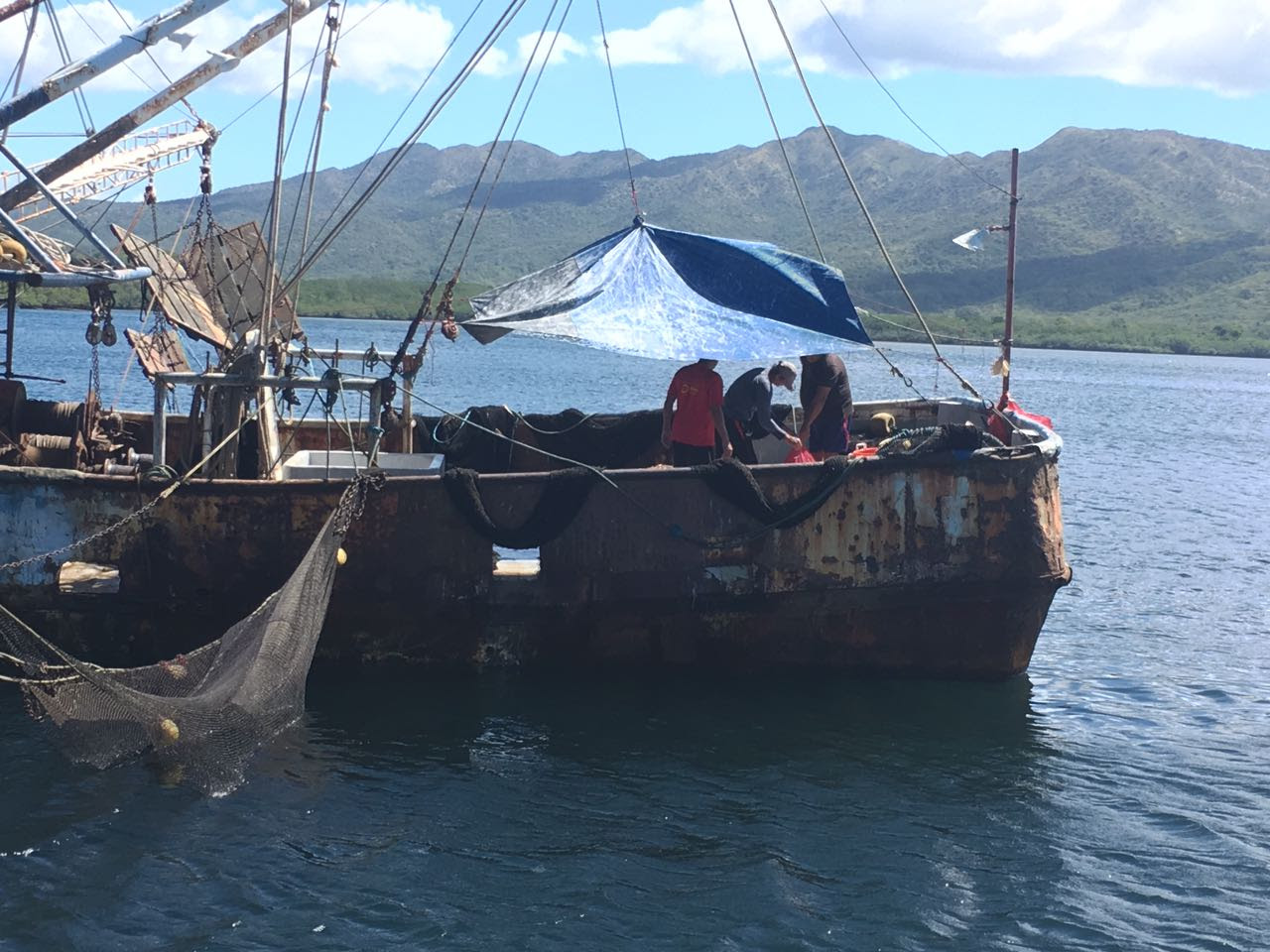
Just two months after the establishment of Costa Rica’s Pacific coast Cabo Blanco Protected Marine Area, a shrimp trawler, the Maria Aurelia, was arrested by the Costa Rican Coast Guard after being caught red-handed trawling in this area where trawl activities are banned, said the conservation group CREMA in a press statement today.
The illegal fishing activity comes two months after the protected area was established June 8 (40442-MINAE) to coincide with World Oceans Day.
At the time of arrest, on August 13, the Maria Aurelia’s 267 kg catch consisted of 18 percent shrimp and 82 percent bycatch – or unwanted – species.
Among the bycatch were many species of snapper that are important to local artisanal fisheries and coastal communities. Many of these small-scale fisheries also participate in sustainable fishing projects, the success of which is put at risk by unselective fishing techniques such as shrimp trawling.
“Costa Rica’s artisanal fisheries support thousands of fishermen, women and families all along the country’s coasts,” said Andy Bystrom, fisheries consultant from the Costa Rican marine conservation organization CREMA. “But the operation of unselective and destructive fisheries, like shrimp trawling, not only negatively impacts the socio-economic situations in these communities, but Costa Rica’s general economic development and international sustainability image,” continued Bystrom.
Because of the environmental and economic complications that result from Costa Rica’s trawl fishery, the Constitutional Court ruled in August 2013 that its operation was contrary to democratic sustainable developmente (2013-010540) and ordered the practice to be phased out by 2019 if it could not be made sustainable.
In response, the trawl industry and the Costa Rican Fisheries and Aquaculture Institute (Incopesca) have presented a bill (N ° 19.838) – called the Law for Sustainable Development and Use of Shrimp in Costa Rica – that, according to Incopesca, would allow for sustainable management of the industry.
“The bill in question will require more zoning restrictions and technological regulations,” pointed out Bystrom. “If the trawl fleet can not abide by existing regulations, how will it abide by even more of these in the future?”
Recurrent illegal shrimp trawling in the country’s coastal marine protected areas highlight the industry’s reluctance to abide by existing regulations.
“The incapacity of local authorities to duly sanction illegal fishing operations encourages fishers to ignore regulations,” explained Randall Arauz, of the Colorado-based marine conservation organization Fins Attached. “A suit was filed over eight years ago against the shrimp trawler Sonia J for operating illegally in protected waters of the Caletas-Arío National Wildlife Refuge, but the Administrative Environmental Tribune of the Ministry of Environment has failed to issue a final ruling,” lamented Arauz.



