


 SIGN UP FOR OUR
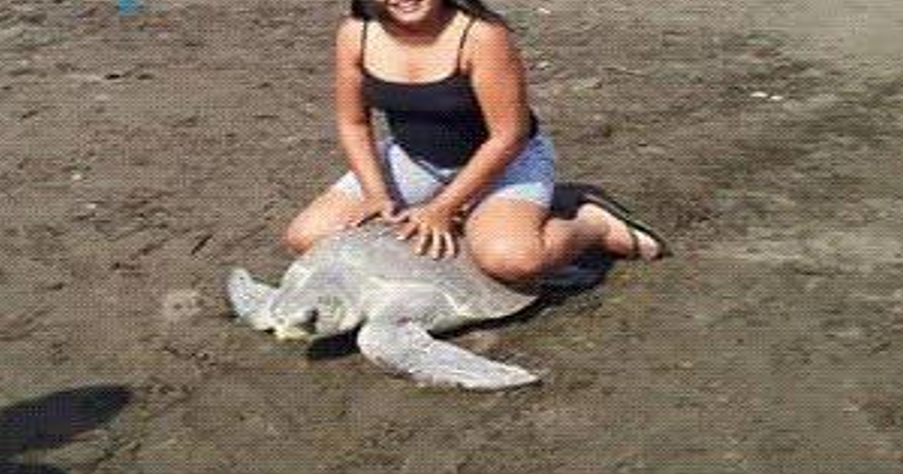
The investigation of non-governmental organization World Animal Protection entitled “A close-up to Cruelty: The negative Impact of Selfies with Wild Animals”, positions Costa Rica as the seventh country in the world where more selfies are taken with wild animals.
The practice of taking selfies with wild animals is considered in many occasions animal cruelty. The investigation carried out registered the number of this type of selfies published in social media (Facebook, Twitter and Instagram) around the word between June of 2014 and October of 2017; in this time frame the total number was of 133,344 photos, the majority of which were taken in the United States (40.72%), followed by the UK (13.36%) Australia (4.58%); Canada, Indonesia,Thailand, Costa Rica in seventh place with 2.74% incidence, Panama is in eight place, India and finally Brazil in the tenth position.
The reason why selfies of this nature are considered to be many times a form of animal cruelty has to do with the actions taken to get that photo; the study found that many times tourism agencies or individuals take the animals from their natural habitat, profit from letting tourists take selfies with them, luring the animals sometimes with food (as is the case of dolphins, monkeys or crocodiles) which affects their health; holding them by force in other cases, or simply promoting direct contact with wild life which is also poses a threat for the tourist.
The study also analyzed, for the first time, different tourism attractions in Latin America that offer contact with wild animals, and discovered that 54% of the 249 attractions offered direct contact with animals, such as holding them to take the pictures; 35% used food to attract the animals and 11% offered the possibility of swimming with wild animals.
The organization explains there are cases in which it is possible to take a selfie with a wild animal without affecting or endangering the life of the animal or contributing with forms of animal cruelty.
It is OK to take a selfie with a wild animal if:
-You are at a safe distance from the animal
-The animal is in its natural habitat, or a rescue facility but free
-The animal is free to move (not being held)
Recently in Costa Rica the Law of Conservation of Wildlife was approved, this law regulates the use of wild animals in ads, campaigns, documentaries, etc. It forbids the use of images were tourists have direct contact with the animals, (feeding them, touching them or holding them). It also regulates conservation and rescue centers as well as zoos.
As a result of this investigation Instagram started issuing warnings about posting selfies with wildlife creatures or searching for related hashtags, informing and educating users in this way of the animal abuse that sometimes takes place behind seemingly innocent wildlife photos.
In Costa Rica there’s been a couple of times were, during the arrival of sea turtles to Ostional and other nesting sites, photos in social media have caused controversy due to the interaction, some times abusive, of humans with this animals.



