


 SIGN UP FOR OUR
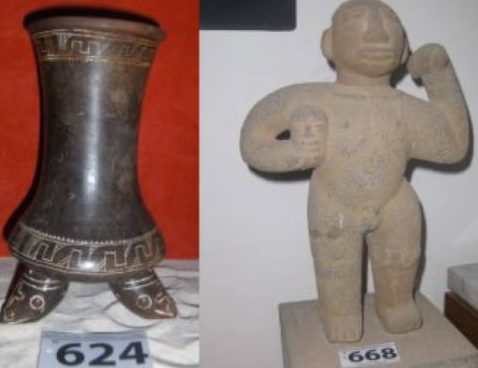
196 Pre-Columbian pieces mainly made of stone and others in ceramic which were part of Costa Rica’s archeaological treasure and that had been taken out of the country to Venezuela illegally will arrive back to the country on January 2, according to a press release by the Costa Rica National Museum.
The items were pieces sculpt by native Costa Rican indigenous, and have, therefore, historic importance and value.
Among the items are two stone spheres like the ones located in the area of Diquis, Osa and which are considered world heritage; two metates or mealing stones; sculptures of human figures, among many other historic pieces from three different regions in the country, the Central –Atlantic Zone, the North Pacific-Guanacaste Area and Diquis, Osa.
The shipment left Caracas on December 24 and is scheduled to arrive in Moin Port, Limon on Tuesday.
All pieces were found in a mansion in Venezuela, property of Harry Mannil Laul, a known collector who used to travel a lot between both countries. Mannil passed away in 2010 in his house in San Rafael de Heredia, Costa Rica and in this residence the authorities also confiscated over 100 pre-Columbian objects. In this same year, Venezuelan customs authorities confiscated 56 pieces that had New York, USA as a last destination, as a result of this Mannil’s house was searched in 2011. The authorities found a “small museum” in the house and it was subject to two more searches that took place in 2015.
In order for this archeological treasure to be returned to the country the National Museum had to invest over US$22,000.00; the process was completed with the help of the consul of Costa Rica to Venezuela, Ana Patricia Villalobos and in cooperation with the National Gallery and the Cultural Heritage Institute of Venezuela. Villalobos stated that the return of the lot is of great significance to the country not just because of the large number of pieces but also because some of them are unique and there are no similar ones in the country.



