


 SIGN UP FOR OUR
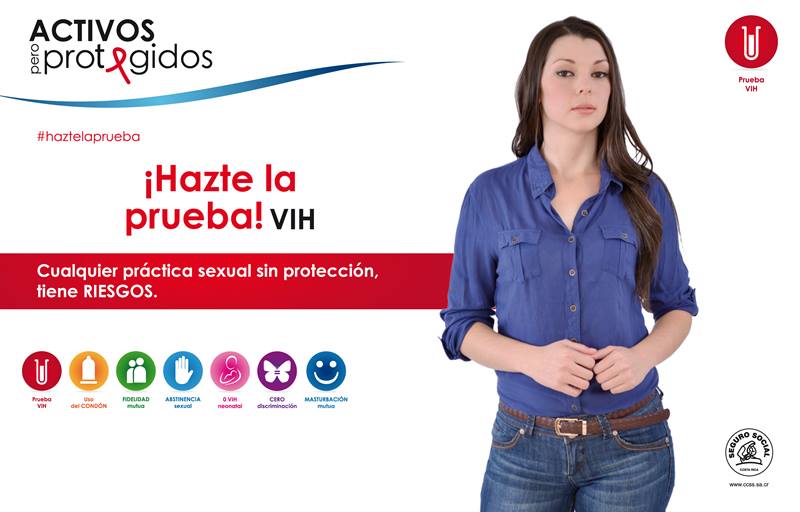
A total of 979 Costa Ricans were diagnosed with HIV in 2016, the number of new patients has continued to grow in the last years, back in 2011 the number of cases was of approximately 700.
According to Costa Rican Health Authorities, between 2002 and 2016 there were a total of 9,197 diagnosed patients, out of which 7,478 are male and 1,719 female.
This December 1st is the World Aids Day, an opportunity for people worldwide to unite in the fight against HIV, raise awareness, educate ourselves in relation to this illness, how to prevent it, how to get tested and support people living with HIV eliminating the stigma the surrounds those that live with HIV/AIDS.
In the world there were approximately 36.7 million people living with HIV at the end of 2016 according to the World Health Organization, out of this 20.9 million are receiving antiretroviral therapy.
It is estimated that close to 2.5 million people are infected every year by this virus that has caused the death of more than 30 million people since 1980, according to a study presented at the International AIDS Conference which took place in Durban International Convention Center this past July.
The Costa Rica Public Health and Social Security Administration (C.C.S.S) urges sexually active people to get tested. Results are confidential.
HIV stands for Human Immunodeficiency Virus, when someone is HIV positive it means it has the virus that could eventually attack the immune system; someone can have HIV without having developed AIDS. A person is considered to have developed AIDS when the immune system is so weak it can no longer fight off a range of diseases.
Early symptoms of HIV infection can be experienced within the first three months after acquiring HIV and include flu-like symptoms, fever, headache, mouth ulcers, night sweats, weight loss and swollen glands. After these early symptoms pass, people carrying the HIV virus can live for many years without any signs or symptoms of the virus, but they carry the virus and infect others during unprotected sexual intercourse, sharing of infected needles and there’s also risk of mother to child transmission.



