


 SIGN UP FOR OUR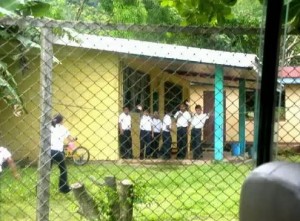
Enrollment Grade School Figures Dropped in 2012
Life in Costa Rica in the years immediately following her unfortunate Civil War was filled with national pride when the army was permanently abolished by means of a new Constitution. The funds saved on national defense were destined towards free public education. “More Teachers than Soldiers” was the Ticos’ motto around that time.
According to a news report appearing in La Nacion, there may be too many teachers now, as 43,149 education professionals are waiting to fill just 5,000 openings at the Ministry of Public Education (MEP in Spanish).
The teaching profession is highly respected in Costa Rica and attracts many individuals interested in educating our children. The salary is not spectacular by any means, but the benefits and pride associated with working as a public schoolteachers are worth it. For those reasons, thousands of university students pursue education curricula at our universities each year.
In preschool and grade school, hopeful teachers must now wait until a colleague takes retirement or quits his or her position in order to gain a spot at the MEP. Others wait with high anticipation for a teacher taking maternity leave or a sabbatical so they can jump in as substitutes, earn a temporary salary and at the same time not allowing their teaching skills to get rusty.
Not all 5,000 spots made available at the MEP will be filled this year. There are a few openings for primary grade school educators, but those are located in very remote rural areas where not many teachers express interest in going to.
La Nacion cites the fact that there are 12,800 less students this academic year in comparison to 2011. The Costa Rica Star has published a few articles regarding this trend; one looking at national census statistics and the falling birthrate, another article about the Responsible Fatherhood Act and its effect on contraception, and a recent study by the University of Costa Rica on the effects of immigration policy.
Private schools are not a source of relief for unemployed teachers in Costa Rica, as parents often complain of exorbitant tuition rates and the academic staff is sometimes augmented by volunteer foreign teachers. In 2010, the enrollment figures of private schools indicated that they only attracted 8.5 percent of the national student body, concluded La Nacion.



