


 SIGN UP FOR OUR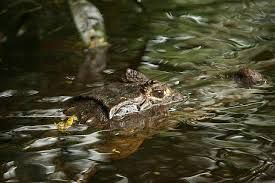
Source: Flickr
UPDATE: before you continue to read this news article below, be advised that there are some facts that are not correct and clarified by The Tico Times, please read this article and get your facts straight on what happened in Tamarindo. Big thanks to our friends at Witch’s Rock Surf Camp for getting in contact with The Costa Rica Star to ensure correct information is provided to the community of Costa Rica.
A rare attack by a cayman on a Spanish couple as they enjoyed surfing in Costa Rica has had a detrimental effect on tourism. The attack, which took place on October 13th, was widely publicized in several media outlets and became a viral item that was shared across online social networks. Days after the reptilian-human scuffle, residents of Tamarindo Beach noticed that the sand and surf of their community were missing a crucial element: Tourists.
According to Alvaro Duarte of daily tabloid La Teja, people who make a living off tourism in Tamarindo Beach are happy the cayman attack did not cause major injuries, but they are also lamenting the aftermath. An informal parking assistant explained that his parking lot virtually emptied out in the days following the attack. He is hoping that with the high tourist season approaching, visitors will return to this popular beach in Costa Rica.
A woman who sells handcrafts made in Nicaragua also deplored the post-attack zeitgeist in Tamarindo Beach. She mentioned to La Teja that a lone German woman was brave enough to enjoy the beach by herself on a Wednesday; she knew about the attack and was on the lookout for surfing caymans.
A Very Unusual Attack
In the 20th century, Tamarindo Beach was one of the most idyllic beaches in Guanacaste. These days, however, Tamarindo Beach has been transformed into a tourism magnet filled with luxury resorts, fast-food franchises and other tourist attractions. It was here that surf instructor Luis Sequeira squared off against a large Caiman sclerops that had attacked a couple. Mr. Sequeira jumped from the beach into water with his surfboard, which he used to hit the spectacled cayman.
As reported by online news daily CRHoy.com, the six-meter cayman went after a Spanish woman on a Saturday morning; her boyfriend prevented tragedy by stepping in and wrestling the semi-aquatic creature. The cayman bit the man’s right hand and left deep scratches on his chest before it received a swift fiberglass strike from Mr. Sequeira’s surfboard. The surf instructor urged a group of Swiss tourists to evacuate the surf and then he stood guard on the beach. He noticed that the cayman returned to the scene of the encounter a couple of times.
A wildlife investigator told CRHoy.com that this reptilian species swims out to the surf to feed, but it does not approach the shore. In Costa Rica, caymans live in riparian areas, wetlands, jungles, and estuaries such as the one in Tamarindo Beach. Neighbors in this Guanacaste beach town are used to seeing caymans come out to the banks of the inlets to lay out in the sun, which they seem to greatly enjoy. When they see high tide approaching, they know fish will be plentiful and thus head off to the ocean.
The Pacific coast of Costa Rica is home to many caymans, and thus it is not rare to see them swim out to the surf for feeding. What is rare, however, is to see them attack humans. As with many other species, including humans, caymans will attack if they somehow feel scared or threatened. In beaches such as Manuel Antonio in the southern Pacific coast, park rangers ask surfers and swimmers to come out of the water for a few minutes when they spot caymans.
Ongoing reforestation and nature conservation efforts in Costa Rica are contributing to a higher cayman population, which residents are learning to live with. Although caymans are more common in estuary beaches such as Tamarindo, they can be spotted in other places such as Playas del Coco, which some residents jokingly explain that it is a short name for “Playas del Cocodrilo” instead of “Coconut Beaches.”
Caymans in Costa Rica are close cousins of the American alligator found in North America and particularly the Florida Everglades. A recent news report in the Tampa Bay Times described an unusual situation whereby a man shot and killed a 200 lb alligator with a .357 Magnum pistol. The gator charged the man, who had come out in the middle of the night to investigate noises. After being knocked down, the man noticed the Alligator mississipiensis coming after him with jaws wide open, which prompted him to shoot the reptilian point blank in the head.



