


 SIGN UP FOR OUR


Costa Rica’s policy towards migrants seeking transit through the country has been to grant them a 25-day permit and basic assistance at border shelters, after a screening procedure to register their country of origin and to vet any criminals.
Recent years has seen a new phenomenon of migrants from diverse countries in Africa, Asia, as well as Haiti arriving at Costa Rica’s southern border with Panama to seek an overland route to the United States.
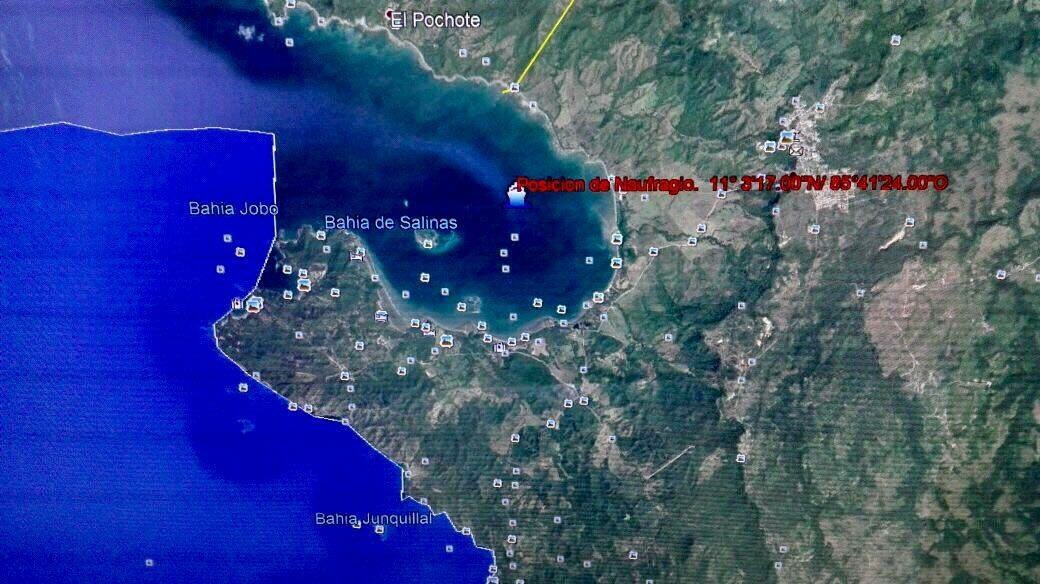
Friday night, two small motor boats carrying a total of 31 individuals launched from Puerto Soley in Bahia Salinas, La Cruz, Guanacaste along Costa Rica’s northern Pacific border with Nicaragua.
The migrants, hailing from numerous countries, had been sheltered at a temporary migrant care center in La Cruz, and decided to risk their fate and continue their journey, said police reports.
Because Nicaragua has cracked down on overland transits by migrants, apparently those desperate enough are risking night-time, informal sea travel to circumvent Nicaragua’s restrictions.
The two boats were discovered by the Costa Rican Coast Guard.
Coast Guard officials said when they approached the boats, one of the vessels crashed into the Coast Guard’s boat, causing some passengers to fall into the water. In the mayhem, the boat captains apparently jumped ship and remain at large; police are searching for them.
One man lost his life in the sea accident, and a child, estimated to be about 4 years old, is still missing – police continue to search the area for the child.
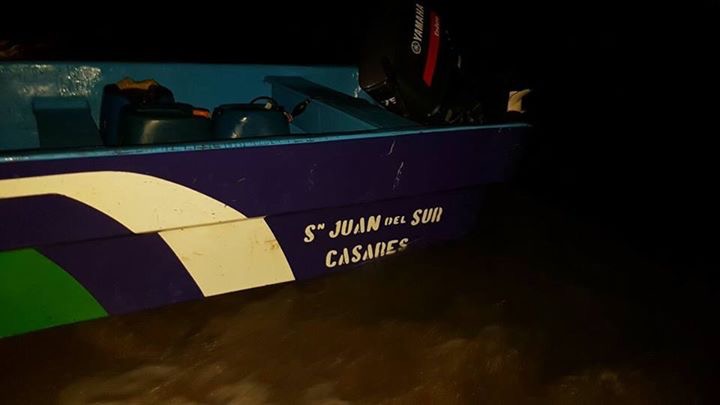
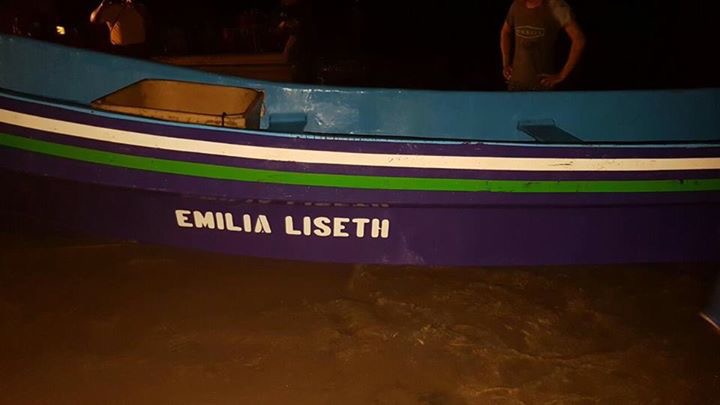
The Emilia Lisbeth and the San Juan del Sur (a Nicaraguan boat) had launched from Puerto Soley and were headed north. One carried 17 people and the other 14, according to preliminary reports. The 29 who were rescued were returned to the migrant care center after receiving medical attention.
Those rescued include 18 Congolese, three Sri Lankans, two Ghanaians, two Haitians, and one each from Ethiopia, Somalia, Angola, and Venezuela, said police reports. They are free to leave the country whenever they desire, said officials, but have been unable to pass through Nicaragua.
Coast Guard officials detained the boats to inspect safety on the vessels, and found several problems including lack of lights, and overcrowding, said officials.



