


 SIGN UP FOR OUR
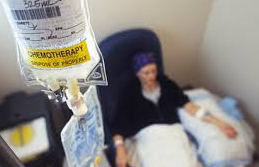
Costa Rica’s aging population, together with risk factors that are becoming more common such as smoking, alcohol, poor diet, obesity and sedentary lifestyle are some of the reasons for increasing rates of new cancer cases and also deaths due to cancer, said the Costa Rican Ministry of Health.
In 2015 – the most recent data available – 4,667 people died from cancer – which averages 12 people per day.
More men than women die from cancer in Costa Rica with prostate cancer (15.4 per 100,000 inhabitants) the top killer for men, and breast cancer the most deadly for women (12.2 per 100,000 inhabitants). The most commonly occurring cancer overall is skin cancer.
“In Costa Rica, there are three main causes of death … heart or cardiovascular disease in first place, cancer in second, and road-related deaths in third. These three are causing loss of humans in their productive years, and all are preventable,” said Rolando Loría, head of the Siglo XXI Oncology Radiation and Radiotherapy Center.
According to the World Health Organization, cancer is one of the leading causes of illness and death worldwide: in 2012 there were about 14 million new cases worldwide, and 8.2 million cancer-related deaths, and the number of new cases is expected to rise by approximately 70 percent over the next 20 years.
The global agency also reports that more than 60 percent of the world’s new total annual cases occur in Africa, Asia, and Central and South America. These regions account for 70 percent of cancer deaths in the world.
New technologies can significantly reduce mortality, especially in cases of breast and prostate cancer, and when cases are detected in their early stages, said the health ministry.
“Radiotherapy treatment is highly effective in prostate cancer, and when detected early it can bring full recovery. In advanced stages, there are cases of survival of up to 10 years. The same is true with breast cancer,” saidLoría.
Preventing cancer consists to a large degree in having healthy lifestyle habits such as regular exercise and good diet, said Loria. People with a family history of cancer should receive frequent check-ups and monitoring, he added.



