


 SIGN UP FOR OUR


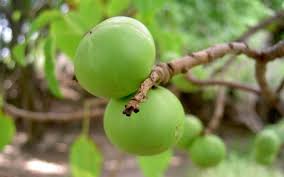
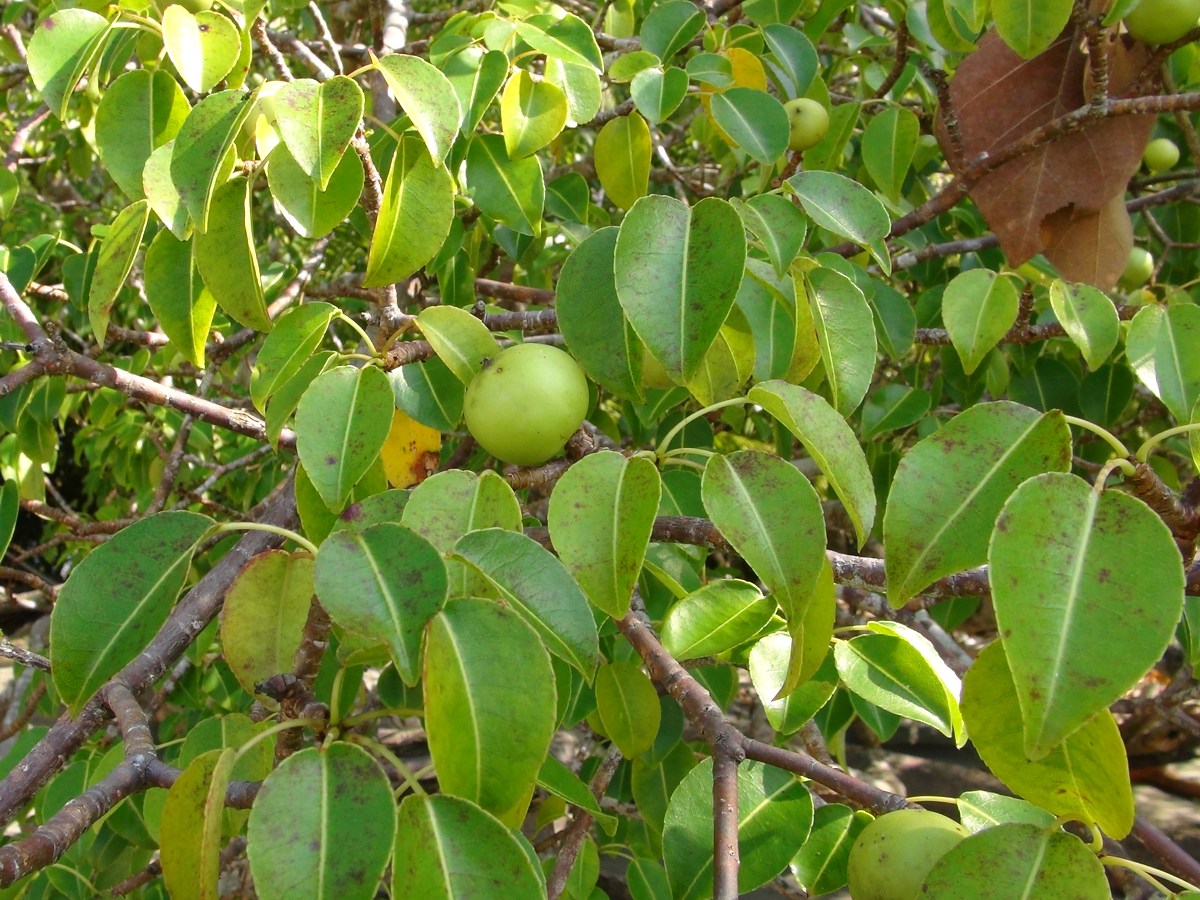
Visitors in Costa Rican beaches usually get a lot of safety warnings: don’t leave valuable items unattended, watch out for the red flags indicating rip currents, don’t drink and swim, watch out for crocodiles or sea snakes, etc.
What we usually don’t hear is Do Not Touch the Manchineel Tree!
Manchineel trees (Hippomane Mancinella), are very common, they are found all the way from Florida to Colombia, and Costa Rica is no exception. This tree grows in the coastal zones, in Spanish it is known as “Manzanillo de la muerte” which means “little apple of death”.
It is said that when the conquistadores arrived, many got intoxicated when they ate the tree’s small green fruit that resembles an apple; it is also said that native indigenous used the tree as punishment, tying the person to the trunk so that when it rained he/she would suffer, since the water falling from the trees is said to cause blistering.
The tree has big roots that are buried in the sand and sometimes are exposed by the waves, many sit under its shade, not suspecting they are in presence of a toxic tree.
The small green apples it produces are tempting, and many dare to try it, its sweet flavor tricks us into having a second bite, and soon the sweetness transforms into a burning sensation and other symptoms appear, sore throat, nausea, vomiting and other more serious gastrointestinal symptoms. Others play with the leaves and end up with blisters or rashes.
Burning it can also cause irritation and respiratory problems.
Next time you are vacationing in a paradisiac beach in Costa Rica, keep an eye out for these beautiful but dangerous trees.



