


 SIGN UP FOR OUR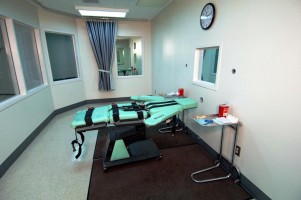
Lethal Injection is still used in the United States
Costa Rica is a nation that supports, defends and promotes the defense of human rights around the world. In the matter of the death penalty, the Constitution is clear insofar as human life being inviolable, never to be broken or infringed upon. Such was the message issued by Minister of Foreign Affairs Alejandro Solano last week in commemoration of the 12th World Coalition Against the Death Penalty Day, which was observed on October 10th.
According to an official communique issued by the Ministry of Foreign Affairs, Minister Solano welcomed the message communicated by twelve of his counterparts around the world, including the honorable nations of:
- Argentina
- Australia
- Benin
- Burkina Faso
- Philippines
- Haiti
- Mexico
- Mongolia
- Norway
- The United Kingdom
- Switzerland
- Turkey
Costa Rica supports a global abolition of the death penalty. This support is advocated by the International Court of Human Rights. Minister Solano added:
We have ratified our dedication and support of an universal abolition of the death penalty, clearly stating that such practice has no place in criminal justice and instead is a violation of human rights. Sentencing someone to death is not justice; it is rather a failure of the judicial system.
United Nations Secretary General Ban Ki-Moon also supports Costa Rica’s stance against the death penalty and has called on a worldwide moratorium of this dubious practice. As per the World Coalition Against the Death Penalty:
A moratorium is temporary suspension of executions and, more rarely, of death sentences. It is provisional and often depends on the will of a key decision maker (president, minister of justice…). Conversely, abolition is permanent as enshrined in law.
“The use of the death penalty undermines human dignity”
In 2008, 2010 and 2012, the World Coalition led a campaign to increase support for the new resolution and to ensure its implementation. The vote on December 18, 2008 showed increasing support for the moratorium: 106 countries voted in favour, 48 against and 34 abstained. In 2010, even more countries supported the resolution with 109 votes in favor, 41 voted against and 35 abstained. More recently, in december 2012, the resolution gained even more support with 111 states voting in favor, 41 voting against and 34 abstaining.
Since 2007, the movement for abolition has grown larger and larger. More states have abolished the death penalty, more moratoria on executions have been implemented and proposals for abolition in law have multiplied throughout the world.



