


 SIGN UP FOR OUR
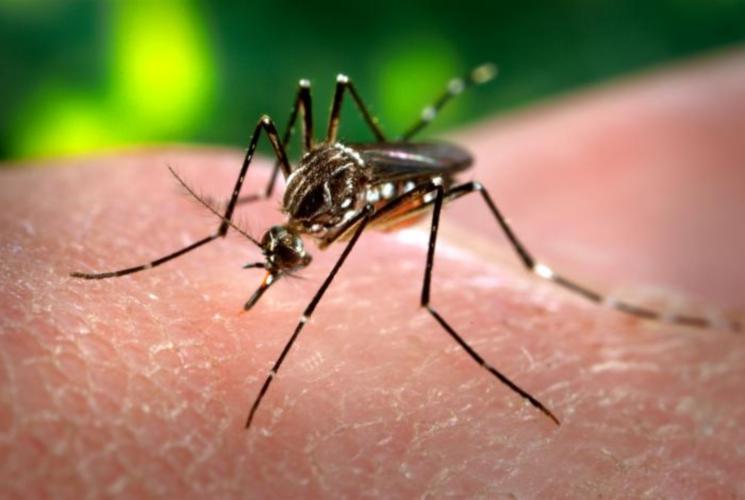
Zika is spread by the Aedes aegyptie mosquito (Wikimedia Commons)
Costa Rica’s Minister of Health, Dr. Fernando Llorca and Security Minister Gustavo Mata announced plans for a massive mobilization of some 14,000 workers from the Ministry of Public Security (MSP) to be deployed alongside workers from the Ministry of Health to fumigate and eliminate breeding grounds of the Aedes aegypti mosquito, which spreads the Zika virus as well as dengue and Chikungunya, during a Monday morning press conference.
Dr. Lllorca said that given the pressing need to fight the mosquito, it is necessary to involve all sectors of Costa Rican society, including workers from the MSP – which includes police and other security officials – to fight the threat posed by the mosquito. “Other countries have deployed their militaries to fight them [the mosquitos], so we need their help,” the health chief said.
“Costa Rica is facing a very difficult situation in eradicating this mosquito, the plan is that 14,000 officials (from the MSP) with assist officials (from the Ministry of Health); If vehicles, helicopters, or boats are needed to transport health officials, we will provide them, in order to respond promptly,” Minister of Public Security, Gustavo Mata said.
Security personnel will also assist health workers in gaining access to private property where mosquitos are believed to be breeding, officials said.
So far, Costa Rica has had only one suspected case of indigenous transmission of Zika and two imported cases in people returning from trips abroad.
The first case of what is believed to be indigenous transmission of the virus was announced last week, when the United States Centers for Disease Control (CDC) and Costa Rican health officials reported that a tourist from the US fell ill with virus after returning from a visit to Costa Rica.
According to health authorities, the tourist traveled to a yoga retreat in Nosara, Guanacaste, in late December. The tourist later fell ill after returning to the United States, and tested positive for the virus in mid-January. The CDC alerted Costa Rican health authorities on January 29th.
There have also been two imported cases of Zika virus in the country, one involving a Costa Rican man who is believed to have contracted the virus while visiting Colombia, and a second in a man who arrived in Costa Rica from Honduras.



