


 SIGN UP FOR OUR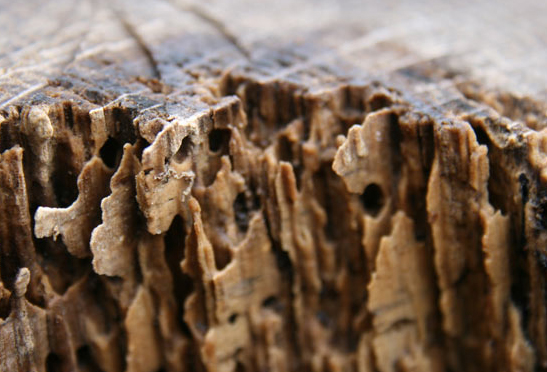
According to an expert team of scientists from the USA, sponsored by the US Department of Energy, Costa Rican termites are like; “mobile miniature bioreactors.”
Believe it or not, Costa Rican termites are famous and well sought after. World-class scientists from the USA along with researchers from the National Biodiversity Institute of Costa Rica, traveled into the La Selva Field Station and Biological Reserve of the Organization for Tropical Studies, in northeastern Costa Rica, specifically to cut down a huge nest of arboreal termites, in order to remove hundreds of the plump “worker” members of a Nasutitermes species colony so that they could dissect their stomachs to extract the contents and send them to a DNA laboratory in the USA for analysis. The termite guts yielded more than 500 genes related to the enzymatic deconstruction of cellulose and hemicellulose and the metagenome dataset was published in the DOE JGI’s metagenome data management and analysis system, IMG/M.
In a nutshell, this scientific data reveals that the digestive systems of the termites taken from Costa Rica provide the formula to eventually create bio-fuels, subsequent to hundreds of millions of dollars of research funded by the US Department of Energy. The Under Secretary for Science, at the U.S. Department of Energy, says that “The termite is a remarkable machine and can digest a frightening amount of wood in a very short time, as anyone who has had termites in their house is painfully aware.”
Anyone who has travelled around Costa Rica a few times has more than likely spotted a few of those basketball sized nests of insects hanging from trees in rural areas. Most folks probably had no idea of the importance of the tiny insects inside those nests and their economic role in modern day society. Not only can the termite guts help the world by providing the natural genetic formula to eliminate society’s dependence on oil, but the termites also create billions of dollars of construction restoration and pest prevention work throughout the world every year.
Recently four colonies of termites were discovered to be damaging a historical building in San Jose as you can read in this article on Nacion.com. Colonies of termites are eating the Alliance Française de San José – La Nacion – August 13, 2012
In order to learn more about these amazing and valuable little pests, let’s take a look at the real nuts and bolts of termites.
Termites, (termitas or comején in Spanish), are wood-eating pests that feed on cellulose, found in wood and its derivatives like paper, cardboard or chipboard products. The word “Termite” comes from the Latin word “Termes”, meaning wood-worm and there are many species, some that produce more offspring than others and in numbers comes their strength and ability to render dwellings to dust and cause billions of dollars in damage every year.
Termites in general are social insects and they all live and work together in cooperative societies called colonies with physically distinctive group members performing specific functions.
The “Soldiers” are white with large brown heads, without wings and they are the least numerous with strong jaws to build shelters and defend their colonies against attacking insects.
The “Workers” are white to cream colored, without wings and they are the most numerous, performing most of the work and with specialized microbes in their digestive systems, they break down the cell walls of plants and cellulose to feed the rest of the termites in their colonies.
The “Reproductives” are dark brown to black, have two pairs of wings about twice the length of their bodies and the males and females fly in swarms to mate, produce offspring and begin new colonies.
The Soldiers and workers are blind and rely on their sense of touch and chemical signals to survive. While the soldiers are protecting the colony and the workers are building networks of galleries in order to extract more cellulose, the winged male and female reproductives fly from their existing colonies in swarms, when the temperature is warm, in order to mate and form new colonies in other hosts where more cellulose is plentiful. The rainy season is when reproductive termites are the most active and this is when you are more likely to encounter their wings on floors near windows, on window sills and around light fixtures, because they are attracted to light.
Because the temperatures in Costa Rica are usually warm, the termites are much more active and there’s significantly more reproduction and consumption of cellulose taking place here.
Once the reproductives locate a suitable new host, the females lay their eggs and newly hatched termites, called larvae, begin to live, work and consume the cellulose inside the new structure. The more termites there are in a colony, the more mouths there are to feed, and therefore more damage to the structures that they feed upon. Termite colony populations grow rapidly and the gallery systems where they live and work become extensive, measuring many meters outside their original colonies.
Most termites are not able to digest the cellulose obtained in the wood structures that they inhabit. The worker termites have protozoa in their digestive tracts which allow them to convert cellulose into usable food in order to feed the other termites in the colony by spitting converted nutrients into their mouths.
There are at least 2300 different species of termites and their offspring can number from thousands to millions per colony, depending on the type. It’s important to understand the characteristics of the different types and to be able to identify them, in order to determine the best method to defend against and eliminate termite infestations.
Arboreal Termites – These termites are found in tropical habitats as well as rural areas throughout Costa Rica. They are dark brown on the surface and have small bumps over their exterior and tend to be spherical and as they mature they become more elliptical. Their nests, which are usually located in trees, especially the avocado and mango varieties. The nests are like cardboard and the termites create them from a mixture of digested wood and feces, which hardens into a strong and protective shell. These nests have also been located on concrete, metal and wood structures in Costa Rica. Arboreal termites travel from their nests to rotting trees to obtain their nutrition from decaying wood, which they chew and then bring back to the nest in the tunnels that they build from the same moist mixture as their nests.
Typical arboreal colonies contain anywhere from 50,000 to 60,000 termites, but a similar species called Nasutitermes corniger, forms larger nests of up to 1 million termites. This species build and live in nests which grow to become huge and can weigh up to 28 kilograms. The arboreal soldiers are equipped with a sticky chemical secretion that they expel from their jaws and is very irritating to the skin inside the nose and mouth of anteaters and other predators. Meanwhile, the arboreal termite workers remain protected deep inside the nest with the reproductives. In most cases there is only one, large, female reproductive in the colony and she is usually dark colored with black wings and can be from 30 to 60 millimeters in length. The queen reproductive lives in a chamber located in the centre of the nest, often near the tree trunk, that is heavily reinforced in order to protect her eggs. The number of fertile offspring produced by reproductive arboreal termites varies from 50,000 to 400,000 infertile workers and from 5,000 to 25,000 winged reproductives. Once the reproductive larvae hatch, they stay in the colony for five to eight months before leaving to mate and form their own new colonies.
Subterranean Termites – These are the most destructive type of termites and they live in soil or damp wood and nest in colonies and feed on wood or other items containing cellulose, such as paper and fiberboard products and some fabrics derived from cotton or plant fibers. Subterranean termites need moisture to survive, so they build mud tubes on the surfaces of dwellings which they make from soil and mucous to maintain moisture to protect their bodies while traveling from their nests in soil to the areas where they extract the cellulose. When searching for these pests, look for their mud tubes which are typically found on surfaces such as concrete or drywall walls, window glass or screens and wood, aluminum or composite siding. Subterranean termites will also tunnel under the foundations of dwellings and enter walls through cracks in concrete slabs, utility conduits or expansion joints, making it more difficult to locate them. Termites are not attracted to concrete, but they are constantly searching for small openings that they can enlarge to use as access tunnels into suitable areas where cellulose is located.
Another indication of subterranean termites, are pin holes in drywall and wood moldings. The holes can be about the size of a small nail hole and they’re capped off with termite mud. The surface of drywall is made of paper containing cellulose and termites stay beneath the painted or papered surface, making detection challenging, even for seasoned professionals.
Furthermore, there’s another more destructive species of subterranean termites, called “Formosan’s,” which have the ability to forge ahead in areas without sufficient moisture to form new nests made of chewed wood, soil and undigested cellulose, which retain moisture for the colony until they can find a more permanent water source. Formosan termite colonies are larger than typical subterranean colonies, numbering up to hundreds of thousands in the colonies. It’s the large quantity of termites in the colonies, not the speed of Formosan termites eating habits that allows them to cause significantly more damage than other species of termites.
Drywood Termites – These termites do not build tunnels on the surface of dwellings like subterranean termites, they live inside the wood they occupy. They are attracted to dry wood commonly found in the attics of older homes as well as in wood flooring, framing studs, beams, window sills, doors, fascia boards and furniture. Drywood termites sometimes tunnel just under the surface of wood, giving it a blistered, uneven appearance and they make small holes to discard their fecal materials.
Dampwood Termites – These pests are larger than the other species and more destructive. They grow up to half an inch long and can be found inside trees and in wood with high moisture content, such as wood structures that come into contact with soil; like porches, foundation sills or steps. Pressure-treated lumber that has been injected with preservatives prevents fungi decay and deters termites, but the pests are good at locating untreated structures that are attached. Flat and low pitched roofs, on which rain water accumulates attract dampwood termites, however, infestations of these pests inside structures are rare.
IDENTIFYING AND ELIMINATING TERMITE DAMAGE
Arboreal Termites – They are identified by their distinctive nests up in tropical trees and the tunnels they build to forage for food which helps differentiate them from similar wasp and ant nests which can be found in the same areas.
The first method to eliminate arboreal termites is to locate their tunnels and determine if the colony or colonies are within your property or if they are coming from adjacent properties. The next method is to destroy the visible nests and be certain that the queen reproductive is eliminated from deep inside the nest. Finally, locate and eliminate all the termites in the tunnels throughout the property to insure that all insects outside of the colony, in search of food, are eliminated.
Subterranean termites – They need moisture to survive, and their nests are located in the ground. When termites travel above ground, they take moist soil with them to protect themselves from drying out. Subterranean termites build mud tubes above ground so termite workers can travel inside the protected structure when foraging between the infested wood and their nest. The tubes may be easy to spot when they extend over concrete foundations and other exposed surfaces. However, the tubes are much less visible when they run along cracks in the foundation or behind siding and baseboards.
Subterranean termites only like to eat soft spring wood, which means they will eat along the wood grain, rather than across it. Subterranean termite damage is very easy to identify because the damaged wood will only have the grain left behind. Since subterranean termites carry soil with them, the spaces between the wood grains are typically packed with mud.
The most common treatment to eliminate subterranean termites is to create a continuous barrier, around the perimeter of a dwelling. A termite control expert will drill into the ground and also into concrete slabs in order to poison the soil, forming a barrier to stop the pest infestation. Another type of treatment that can be utilized around existing dwellings is termite baits. These baits use small amounts of insecticide to kill populations of termites foraging in and around dwellings and they consist of paper, cardboard, or other materials that attract termites, combined with a slow-acting non-detectable substance that kills termites.
The mud tunnels that subterranean termites create to access cellulose inside a dwelling will still be present following a termite treatment. The tunnels eventually dry out after the termites have been eradicated, they can be brushed off and the surfaces can then be cleaned or repainted. If you don’t see the tunnels again, more than likely the treatment was successful, however, some termites can remain inside dwellings and find other, more difficult to detect, subterranean points of access, so periodic inspections and treatments are recommended to keep dwellings free from termite infestation.
Drywood termites – They eat across the grain of the wood and leave very clean galleries; in fact, these galleries are so clean that they look like they have been smoothed with sand paper. Inside these galleries, you will find mounds of fecal pellets piled up where they have been pushed out of the way by the termites and sometimes the fecal pellets can be found in little piles beneath the infested wood. The most obvious evidence of drywood termites is their six-sided droppings which appear like small mounds of coffee grounds.
In severe infestations, drywood termites hollow out wood studs and beams, leaving a paper-thin surface that normally appears blistered or peeled. If you tap the suspect wood with the handle of a screwdriver and it sounds hollow, this is usually a sign that drywood termites are present. Probing wood materials such as baseboards, door casings and exposed beams is an effective way of finding drywood termites. If you poke the wood with a thin screwdriver or ice pick and the surface is soft, this is usually a sign that drywood termites are present. Additionally, you can use a flashlight and feel with your hands on the surfaces of drywall and wood to look for tiny holes that they make, which are normally capped off with a mud-like barrier.
The most common treatment to eliminate small areas of drywood termite infestation that are detected in the early stages, where minor damage has occurred, is to remove and replace the affected wood or apply a liquid insecticide directly onto the wood surface with a brush or spray apparatus. Wood can also be treated by injecting insecticide through holes made with a drill or into soft wood that has decayed. Advanced drywood termite infestations require tenting and fumigation of the entire dwelling.
Dampwood termites – The combination of moisture and wood or other cellulose materials provide attractive conditions for dampwood termite infestation. Roof leaks, leaky plumbing, A/C condensation and any areas of dwellings where moisture accumulates should be fixed in order to eliminate the moist environments that attract this species of termites. They leave few external signs of wood damage because they plug openings in the wood with their fecal material and the amount and pattern of damage depends on the degree of wood decay.
The most common methods to eliminate dampwood termites are water soluble treatments containing salts such as disodium octaborate tetrahydrate, which tends to be drawn into dampwood termite-infested wood. Likewise, infestations in trees or structural members can be injected and drenched with site-specific insecticides, which on direct contact kill these termites.
METHODS TO PREVENT TERMITE INFESTATION
My advice to all property owners is to have all structures and surrounding vegetation fumigated at least once per year by a reliable company that stands behind their work. If your dwelling contains a lot of wood, more frequent inspections and treatment should be part of your preventive maintenance plan.
Once you’ve scheduled an appointment and before the fumigation technicians arrive, I suggest removing everything from kitchen and bath cabinets, so the exterminators have access to all the small, dark and moist areas where pests like to nest. Plus, it’s much less work to not have to clean each of your personal items after the fumigators have drenched the surfaces with their chemicals.
It’s important for the exterminators to have convenient access to your attic in order to fumigate all structures and spray chemicals inside utility conduits. If you have open ceilings, sections of the exterior roof should be opened to access closed ceiling cavities in order to apply the treatments to prevent pest infestation.
The best method to avoid termites is preventive maintenance.
Remove of all stumps, roots and decaying trees and branches from your property.
Remove all form boards and grade stakes that may have been left behind after construction projects.
Do not permit any contact between the building woodwork and the soil or fill dirt. Exterior woodwork should be located a minimum of 6 inches above ground and beams in crawl spaces at least 18 inches above ground to provide ample space to make future inspections.
Vents in foundations and attics should be designed to cross ventilation, which helps keep the ground dry and unfavorable for termites.
Landscape plants and irrigation should not be placed within two feet of the foundation wall.
Any wood that contacts the soil, such as fence posts, poles and general foundation structures, should be commercially pressure treated and should not be attached to house.
For those folks who have raw land and are planning to build a home you can treat the soil where your homes foundation will be built with one of two types of treatments. The first treatment is called Repellent Termiticide, and it does not kill termites because they can detect the chemicals applied into the soil and are deterred from tunneling into the treated areas. The second type of soil treatment is called Non-Repellent Termiticide and with this treatment, the termites cannot detect the chemicals and they continue to tunnel through the soil and die as they become exposed to the termiticide.
If you maintain a vigilant eye and periodically look for evidence of wood damage or termite activity such as mud tubes, discarded wings or blistered surfaces, you should be able to stay one step ahead of the termites and protect your dwelling from the damage that they can cause.



