


 SIGN UP FOR OUR

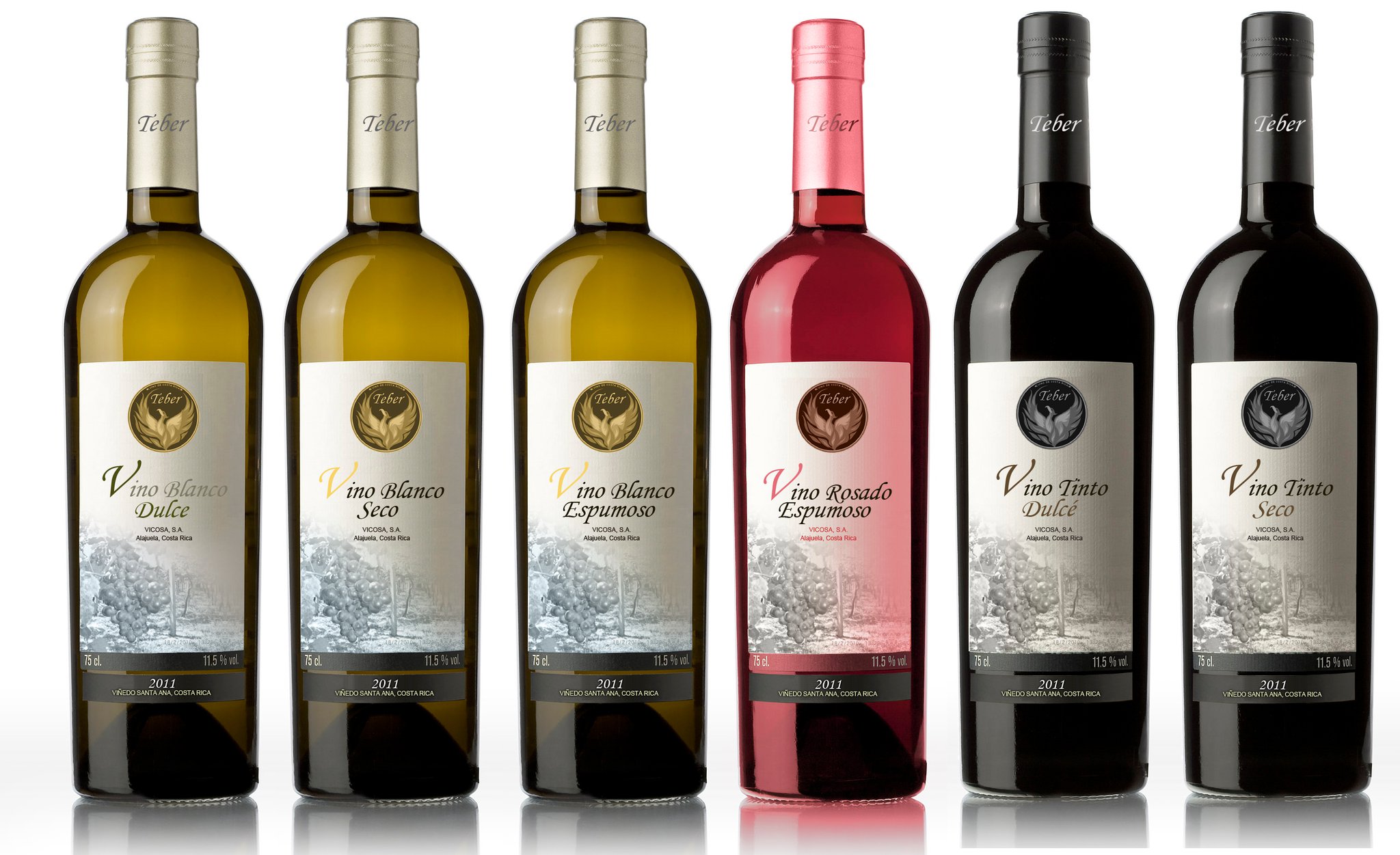
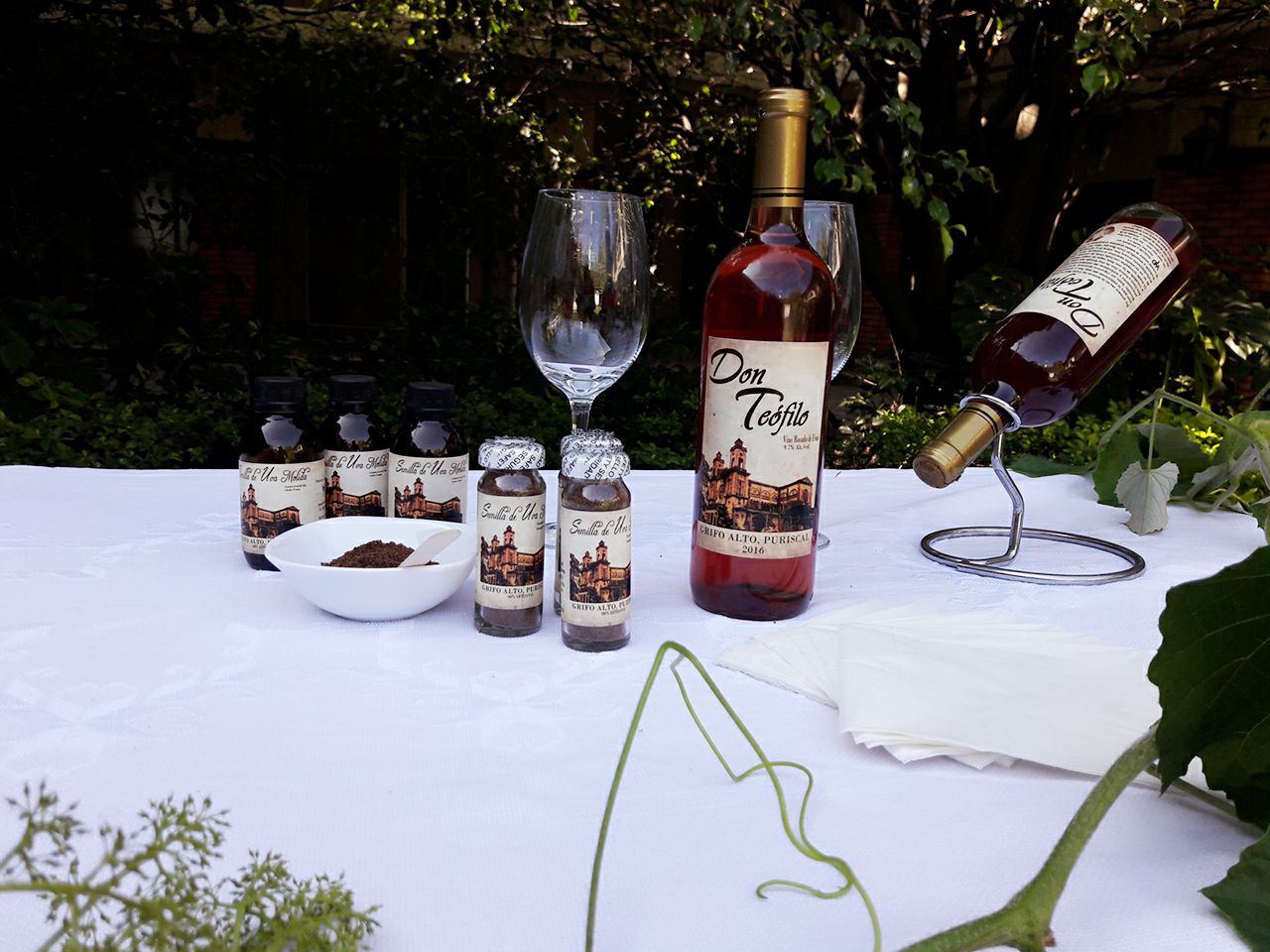
Photo: Vinos don Teófilo Costa Rica
When we choose a bottle of wine we usually go for wine produced in France, perhaps Chile, Australia or even California; most certainly Costa Rica won’t be in your top 10 or even top 20, no one could blame you, Costa Rica is not known for its wine, but there are some entrepreneurs that have been working on changing this for several years now.
In recent years Costa Rica has seen many new brands of craft beers appear, by end of 2015 there were already close to 80 different brands of craft beer created by at least 15 local microbreweries. However, when it comes to wine, the growth has been slow; during 2015 and according to Procomer, Costa Rica imported 10,957 tons of wine, representing $24.2 million; while it exported only 2 tons of Costa Rican wine for a value of just $14,500.00
There are several vineyards in Costa Rica, but only a few produce grapes that can be used for the production of wine.
A lot has to do with the fact that the climate conditions in Costa Rica, although wonderful, are not ideal for the production of wine grapes. Still, this hasn’t stopped some wine lovers and visionaries from trying to grow this industry in Costa Rica, such is the case of the wineries: Vinos don Julián in Pérez Zeledón; Vinos Saprissa; El Espavey, Teber y La Casa from Vicosa in La Garita, Alajuela; Vinos don Teófilo in Puriscal; Zamora Estate in Santa Ana; and Junquillo also in Puriscal from Minor Santillán.
Although wine is made from fermented grapes; there are other varieties of wine that involve other fruits; Vinos Saprissa which exists since 1975 opted for this alternative and produces wine from different fruits and with imported must; others combine their production as is the case of winery don Julián which produces wine from their own organic grapes and also from blackberries and other fruit; however, some micro-wineries such as Espavey, Teber, Teófilo and Junquillo depend exclusively on their own vineyards and produce their artisan wine from different grape varieties.
Some of the wineries keep their production small, they organize “Vintages”, the harvesting of grapes in their properties, once or twice a year, usually in the month of July, for the visitors to get familiar with the process of wine production and of course their artisan wine; others are selling in supermarkets as is the case of Teber & La Casa by Vicosa which offers six varieties of wine (we recommend the Tinto Dulce, as its name indicates it’s sweet and very light).
Zamora Estate in Santa Ana also offers restaurant service and a special events area, located in Santa Ana this is a great place to visit right in the city. Vicosa located in La Garita, Alajuela, offers the possibility of personalized labels for your wine bottles, ideal for corporate or family events, you may also visit their restaurant “La Casa del Viñedo” in La Garita, a steakhouse where you can also try their different wines.



