


 SIGN UP FOR OUR
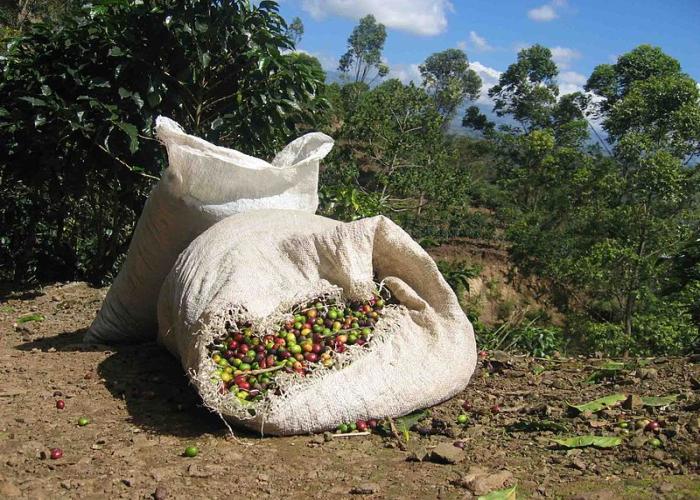
Glyphosphate is an herbicide used on coffee plantations in Costa Rica and other Central American countries.
The chemical is included in the international Pesticide Action Network’s “List of Highly Hazardous Pesticides” and is targeted for global phaseout.
Endosulfan is also used in Central American coffee production. It is “an off-patent organochlorine insecticide and acaricide that is being phased out globally,” according to Wikipedia sources.
Costa Rica’s National University, through its Regional Institute of Toxic Substances Studies of the National University (IRET-UNA), manages a program for reducing and eliminating highly hazardous pesticides in Costa Rica and Central America.
The institute will hold a one-day workshop Thursday, April 27 at San José’s Hotel Bouganvillea to discuss alternative techniques to using toxic chemicals for coffee production. At the event they will discuss results of a study on toxic chemicals being used on the region’s coffee farms, and successful examples of how their use has been phased on some farms, said IRET-UNA.
Agroecological approaches that include weed management, diversifying crops, integral soil management, and other techniques will be discussed.
The pesticide reduction project is funded by the United Nations Environment Program (UNEP).
According to the Food and Agriculture Organization of the United Nations (FAO), glyphosphate and endosulfan are chemicals than can cause serious health problems in humans resulting from occupational exposure or from accidental or intentional poisoning, and severe damage to the environment.
The ultimate goal of the project is to completely eliminate the use of these chemicals in the region by replacing them with safer and sustainable alternatives. The focus is on coffee and pineapple production in the region.



