


 SIGN UP FOR OUR


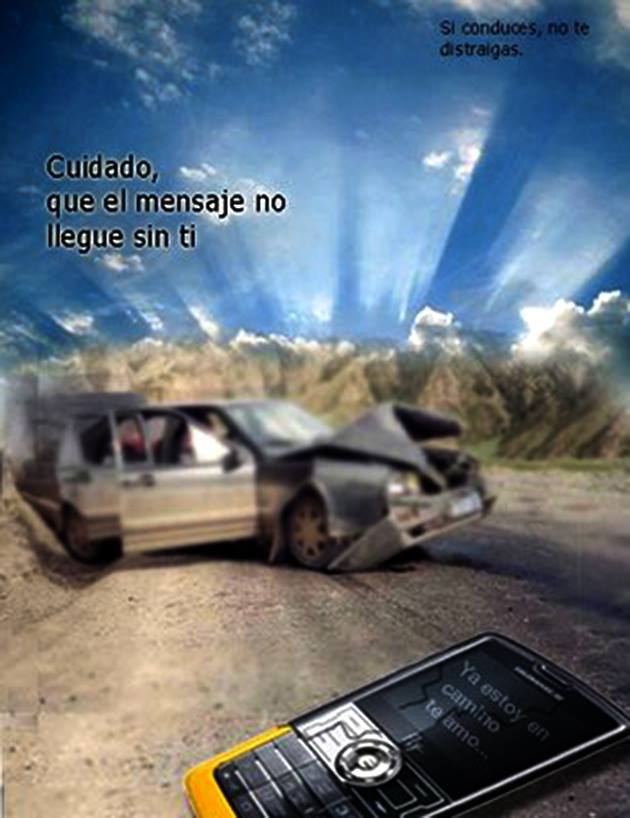
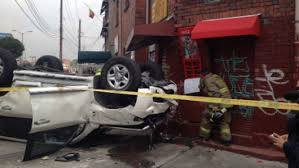
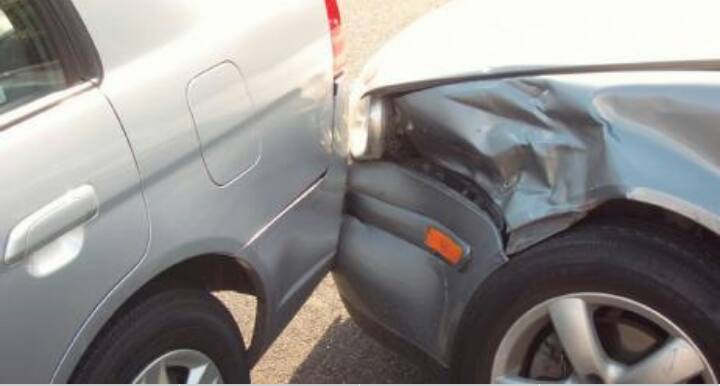
When is the last time you texted while driving or answered an urgent call before pulling over?
Living in Costa Rica, without the ease of finding shoulders on main roads, maneuvering overcrowded streets, and dealing with harried schedules, we are all guilty of texting while driving on occasion.
It is no secret that taking your eyes off the road while driving, even for a fraction of a second, can greatly increase your chances of an accident.
But for some reason, the seductive beeps coming from one’s phone can sometimes interfere with logical reasoning when behind the wheel, more often than we’d like to admit.
This week in Costa Rica, a new campaign called “Safe Text” is trying to reach drivers with information about switching off one’s phone while driving.
The flick of the “silent” or “off” button might just save your life, said transit officials with the Ministry of Transportation and Public Works.
When the local TV station, Telenoticias, contacted two drivers with more than 20 years of experience and asked them to drive a circuit inside a driving school, once without texting, and once while texting, their accuracy rate on the course went down by 30 percent.
According to Costa Rican police data, using a cell phone while driving makes a driver 23 times more likely to have an accident.
Talking on a cell phone may seem like the most obvious form of distraction, but even glancing at messages on your phone on the seat next to you or on your lap causes your attention to be diverted from the moving vehicles surrounding you.
Distraction caused by cell phones affects experienced drivers and newbies alike, according to transit officials who discussed the new prevention education program.
Last year, transit officers gave 1,886 tickets to drivers who were caught using a cell phone while driving.
Article 126 of the Costa Rican transit law prohibits all drivers from using mobile phones and any other form of media or communication system, unless they are hands-free – meaning they are used headphones or similar devices. Exempted from this prohibition are emergency service providers, who are carrying out their duties, unless they are accompanied by another person who can handle communications. The law also prohibits driving while doing activities other than those required for proper driving.



