


 SIGN UP FOR OUR
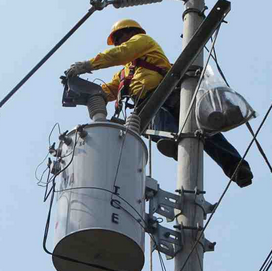
The Central American Electricity Interconnection System (SIEPAC) contracted the Costa Rican Electric Institute (Instituto Costarricense de Electricidad, better known as ICE) to conduct a feasibility study for the connection of a second circuit in 13 substations located in Guatemala, Honduras, El Salvador, Nicaragua, Costa Rica and Panama, thus improving the region’s interconnectivity.
SIEPAC consists of 1,793 kilometers of 230 KW transmission lines that allow a reliable and safe capacity for 300 MW energy transport among the region’s countries. This capacity will double when the second circuit is installed, according to information in a statement by ICE on the expansion project.
Costa Rica’s houses 1,344 SIEPAC towers along its 496.2 kilometers of transmission lines, as well as four substations (Rio Claro, Palmar Norte, Parrita and Cañas).
ICE signed the contract to conduct the study this week, and is expected to complete the feasibility plan by early November. The study will be carried out by structural engineering, electromechanical, and control and protections specialists at ICE.
“We are pleased that this study to be conducted by ICE’s experienced staff will contribute to expanding the benefits already generated by this system as far as costs and reliability of the electricity supply provided to the inhabitants of the region,” said Luis Pacheco, electric manager ICE.
The goal of the contracted study is to identify the opportunities and limitations of connections among the current substations, and to develop scenarios and plans for possible interconnections between each substation, including drafting an overall preliminary project budget for the installation of the region’s second circuit.



