


 SIGN UP FOR OUR
 Cienfuegos, Cuba, Nov. 1 — Cuba is about to become the country with the oldest population in Latin America and the ninth-oldest in the world by 2050. It faces the double challenge of boosting the birth rate and caring for senior citizens, who account for more than 20 percent of the island’s 11.1 million people.
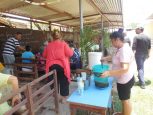
Elder care center in Cuba, from Facebook.
Cienfuegos, one of the provinces most affected by this demographic trend, is home to one of the island’s three reproduction assistance centers. The region also has the widest network of services for the elderly, with 31 daycare facilities and five nursing homes for senior citizens.
The province’s reproduction assistance center, which has had more than 400 births since opening in 2010 and is sponsored by the Pan American Health Organization, serves nearly 3,000 couples with fertility problems annually.
Since late 2014, the clinic has offered high-technology methods, such as in vitro fertilization, or IVF, free of charge.
After nine years of unsuccessfully undergoing fertility treatments in a “disheartening process,” Kenia Coba got pregnant via IVF, and her baby, Marco Antonio, now weighs almost two kilos (4.4 pounds) and is in an incubator at the center after being born prematurely on Sept. 23.
“I tried for years and years, and I thought I’d never get pregnant. I couldn’t believe it until the eighth week ultrasound and when I heard his heart beating,” the 31-year-old Coba said.
In a little over a year, the IVF technique has been employed with 173 patients at the center and produced nine babies, “which fills us all here with great joy,” Praxedes Rojas, director of the center at Gustavo Aldereguia General Hospital, said.
“We are taking our first steps as a clinic. But since we began operations, we have been increasing the number of births each year and improving reproductive health in Cuba, where up to 20 percent of couples are infertile,” Rojas said.
The economic crisis, emigration and new roles for women, which delay motherhood, are among the factors keeping fertility rates in socialist Cuba flat since the late 1970s, giving the island virtually zero population growth in recent years.
On the other side of the demographic equation, Cubans 60 or older are expected to account for 30 percent of the population by 2030, a severe decrease in the labor force, which will drop by 133,000 people by then. By Sara Gomez Armas for EFE



