


 SIGN UP FOR OUR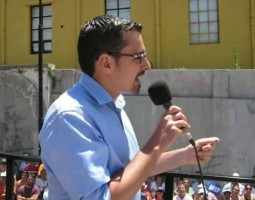
Legislator Villalta. Source: Facebook
As a legislator in the National Assembly of Costa Rica, Jose Maria Villalta from Frente Amplio (Broad Front) political party is entitled to a standard salary raise every six months. His most recent raise was approved at 150,000 colones (about $300), but he does not want it -and he is willing to fight tooth and nail against it.
Mr. Villalta is not the only legislator in Costa Rica opposed to the salary increase. The newly elected President of the Assembly, Victor Emilio Granados Calvo of Partido Accesibilidad sin Exclusion (PASE) and Juan Carlos Mendoza of the opposition party Accion Ciudadana (Civil Action) are also in disagreement with regard to the raise. PASE is a party dedicated to advancing the interests of Ticos living with disabilities. Mr. Mendoza is donating his raise to an organization dedicated to empower women as entrepreneurs in the rural canton of Acosta, province of San Jose.
What sets Mr. Villalta apart from the other legislators is his firm stance against the raise, which he sees disproportionate to the monthly raise of 5,000 (about $10) extended to government workers not long ago. He has taken his fight to the executive directorate of the National Assembly, even after the legal department warned him that his refusal is against the law. The legal argument is based on the legislators falling into a certain income tax bracket upon which revenue projections have already been made. For these reasons, they must accept their raises as part of their duties.
According to an article published by the digital news daily El Pais, a news source that generally caters to the opposition, Mr. Villalta states that the argument above is indefensible:
“It is contradictory for legislators to accept this raise when the rest of the public sector barely gets a raise of 5,000 colones.” Mr. Villalta addeed that: “It is a perverse logic (to think that his refusal is depriving public institutions of revenue) to follow. In that case, the government should not be allowed to freeze hirings without eliminating the positions, because during all that time that they are open, the social security system does not get any revenue.”
Mr. Villalta’s position has drawn many supportive comments from readers of El Pais, with some of them suggesting that he should take the raise anyway and donate it or turn it into scholarships or tuition aid for low-income students.



