


 SIGN UP FOR OUR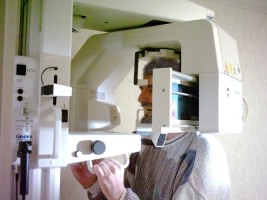
Wikimedia Commons
Sitting down to get x-rays taken is one of the dental procedures that most patients are familiar with. The use of radiography in dentistry dates back to the 20th century, and it helps dental health professionals determine the type of treatment a patient needs; in many cases, these x-ray images can also be used for forensic purposes in case a missing person needs to be identified.
The traditional x-rays used in dentistry are two-dimensional images. Digital tomography combines radiology with advanced computer processing to create three-dimensional models that help dentists to get a good look at teeth from any angle; in fact, dental tomography can produce interior and cross-sectional images of teeth and their maxillofacial structure.
In Costa Rica, dental tomography is often used by clinics that cater to dental tourists due to the complexity of the treatments they seek. The New Smile Dental Group, located in San Jose, uses dental tomography extensively because many of the procedures requested by dental tourists involve reconstruction and implants. With tomography, dental professionals in Costa Rica can get accurate views of the maxillofacial hard tissue (teeth and jaw bones).
New Smile Dental Group uses cone beam computerized tomography, which provides an extremely accurate 3-D rendering of the dental anatomy. With these new tomography scanners, dental tourists in Costa Rica do not have to worry about high levels of radiation beamed into their mouths; the exposure caused by this advanced imaging technology is about a tenth of that caused by traditional x-rays.
The tomography process is painless and only lasts a couple of minutes. All the patient needs to do is sit upright and get into the right position, which requires placing the chin on a special rest. The tomography scanner rotates and the computer imaging process begins. One of the great advantages of this technology in Costa Rica is that it can pinpoint tooth decay factors and even detect tumors in time to treat them efficiently.



