


 SIGN UP FOR OUR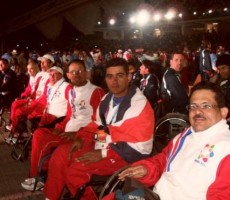
Paralympic Athletes of Costa Rica
Author’s Note: This article has been adapted from a note published on the Facebook Timeline of Terapia Fisica y Rehabilitacion, an organization that contacted The Costa Rica Star and asked for publishing space. Any questions regarding services or assistance for people living with disabilities in Costa Rica should be directed to the National Council on Rehabilitation and Special Education (CNREE in Spanish).
Equal Access for People Living with Disabilities: Can We Improve It?
Equal access is a right for people who live with disabilities. It’s easy to understand the concept of accessibility as the ease and possibility to attain something in life. Human rights for people with disabilities are guaranteed by the United Nations. A series of UN resolutions destined to protect the dignity of the disabled provide them with the right to live in autonomy and with the opportunity to participate in all aspects of life.
In Costa Rica, we tend to associate accessibility with physical spaces, like sidewalks without obstacles or buildings with wheelchair ramps. Accessibility must take place in other dimensions, like the right to access health, educational and online services, as well as access to the labor market, public spaces, etc.
While the motivation to create accessible options emanates from the needs of those who live with disabilities, it should be looked at from a universal point of view; whether or not we have disabilities, we should all have equal rights to access to places and opportunities.
There are many initiatives for equal access in Costa Rica and around the world, from legislation to institutional or corporate programs, and even proposals brought up by the community. Many nations are improving equal access at the infrastructural and social levels on a daily basis.
It is important that we keep in mind all the progress being made in matters of equal access, since such efforts affect all of us. The idea is to come up with equal access solutions that don’t just benefit the disabled, but that in the end benefit all of us. For example, elevators don’t just serve the needs of the disabled, but also of the elderly. Online accessibility is another example, since it can actually increase Internet and computer literacy for everyone.
In essence, equal access initiatives should keep everyone in mind, not just those who live with disabilities.



