


 SIGN UP FOR OUR
 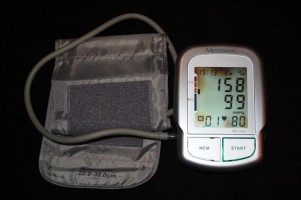 Many tourists who travel to Costa Rica in search of dental procedures may also suffer from hypertension, a fairly common condition characterized by blood pressure readings that exceed healthy levels. Although hypertension can be managed in most cases, severe cases may present a problem with regard to dental treatment.
The dental health professionals at the New Smile Dental Group, a practice that specializes in treating dental tourists in Costa Rica, pay special attention to patients who may be afflicted by high blood pressure. The assessment begins with the first contact, which generally takes place via a telephone interview and may be augmented by email correspondence. The first consultation almost often begins with a toll-free telephone call, and all patients should expect questions about their general health and history of cardiovascular issues as well as high blood pressure.
One problem with dental treatments and hypertension is stress. Although Costa Rica is a very laid back and relaxing destination, it is still an overseas trip away for dental tourists. As all travelers know, a trip to another country always presents opportunities for stress, which can exacerbate hypertensive episodes, which could be risky for patients with very serious cases of high blood pressure that cannot be easily controlled
Once at the New Smile clinic, patients can expect that their vital signs will be closely monitored. If a systolic pressure reading is above 130, the dental team will take note and may conduct further assessments. The patient will be evaluated for history of dizziness, headaches and nosebleeds. Patients who take medications must disclose them to the dental team; ideally, prescriptions must be brought to Costa Rica and presented at the clinic.
In the unfortunate case that a systolic pressure reading greater than 160 is detected, dental treatment might be contraindicated. The same goes for a diastolic reading higher than 95. Such situations call for medical treatment; dental procedures can wait.



