


 SIGN UP FOR OUR
 Quito, Ecuador
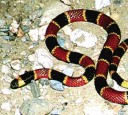
A quick response can save your life if you are bitten by a poisonous snake. But in some remote areas of Ecuador people are 6 – 7 hours away from medical care, and that wait for snakebite victims is often fatal.
In this tropical, Andean country, which imports snake anti-venom from Costa Rica and Colombia, an estimated 9,000 – 10,000 people are bitten by snakes per year, and 16 percent of these end in death or serious consequences such as mutilation or amputation, according to the Gustavo Orcés Herpetological Foundation.
“This is what we are working to avoid, our contribution is to understand the biology of these animals: how they live, what they eat, and what are the chances they will bite you,” and whether their poison attacks the bloodstream or the nervous system, said biologist Maria Elena Barragan, the foundation’s director, to EFE.
There have been dramatic situations in which an exceptionally gutsy person, acting out of ignorance and fear, goes ahead and “amputates a finger with a machete, then arrives hemorhaging or with tetanus”, while in other cases these intrepid victims “bleed to death on the way to the hospital, or may even drink gas or diesel in a reckless and desperate attempt to save their lives,” said Barragan.
The country’s doctors need more training to deal with snakebite emergencies, said Barragan.
Her foundation has a team of fifteen professionals, including biologists, veterinarians and biochemists who are on an odyssey to improve training and treatment of snakebites.
The foundation, which is funded by managing a vivarium exhibiting amphibians and reptiles to the public, and projects financed by international cooperation agencies, was founded 25 years ago, and today is involved with everything herpetological, said Barragan, including collaboration with local and foreign universities on research initiatives.
One of the foundation’s most important projects, according to Barragan, is the recent publication and distribution of a comprehensive compendium, “Poisonous Snakes of Ecuador.”
The book provides useful information on snakebites, and is being distributed to indigenous communities, national park staff, emergency workers, and government health and tourism officials. Purchases of the book to help pay for the vivarium’s operating costs, such as the weekly hundred chickens or fifty mice needed to feed the local residents, said Barragan.
– Jesus Sanchis Moscardó, EFEverde



