


 SIGN UP FOR OUR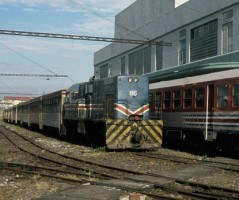
Costa Rica Railway with Passenger Train
In February of 2012, The Costa Rican Institute of Railways, INCOFER, petitioned ARESEP for an increase of between 14% and 39% for its train service routes in the central valley that are used daily by 5000 people. INCOFER says that it needs the additional income to cover increases in operating costs for fuel, collection logistics, salaries and depreciation.
In March of 2012, the Costa Rican Institute of Water and Sanitation, AYA, requested an increase of 7.28% for its 500,000 subscribers. The increase would affect the rates for water and sewer service for all consumers. Under this proposal, the cost per cubic meter, above the base consumption rate, would rise from ¢432 colones per cubic meter to ¢610 colones per cubic meter. Thus, a family that consumes 24 cubic meters of water, will pay an average of ¢3,276 colones more every month.
Also in March of 2012, ARESEP published that the average increase for the national bus routes will rise by 11.20%. According to the bus companies that provide the national transportation services, the hike in bus fares is needed because of increased costs for fuel, tires, wages and inflation.
In April of 2012, ARESEP announced a rise in fuel prices. A liter of premium gasoline now costs ¢746 colones per liter, regular gasoline is ¢735 colones per liter and diesel rose to ¢667 per liter. According to the Secretary of Central American Economic Integration, SEICA, Costa Rica is one of the Central American countries with the highest costs of petroleum products in the region.
During 2010, the Public Service Company of Heredia, ESPH, which has about 66,500 electrical service customers in Heredia, was the electricity provider with the lowest rates in the country. However, as of May 8, 2012, ARESEP approved a 13% increase for ESPH’s residential customers and a 14% increase for their commercial customers. Heredia residents are now paying approximately ¢8 colones per kilowatt hour more than in 2010. According to the agreement with ARSEP, the adjustment is primarily due to the need for new investments in the ESPH infrastructure in order to improve quality and consistency of electrical service in the Heredia area. The good news is that next year in 2013, the ARESEP agreement provides for a ¢3 colones per kilowatt hour reduction for ESPH customers.
Additionally in May of 2012, ARESEP approved new higher rates for taxis, especially the airport taxis operating at the Juan Santamaria International Airport. New fares for regular red taxis are ¢585 colones for the first kilometer and for all additional kilometers the rate is ¢580 colones. Taxis operating from the Juan Santamaria International Airport are now charging ¢850 for the first kilometer and ¢735 colones for all additional kilometers, according to the ARESEP resolution published on May 7, 2012 in La Gaceta.
Given the low salaries of the majority of workers in this country, Costa Ricans and foreigners alike, these increases are a tremendous burden for residents who live here and need these public services to survive. The average consumer’s must pay these cost of living increases, but their wages don’t increase at the same pace. The long term concern is that if basic public services costs continue to increase, but the income of the average worker does not increase enough to cover the new costs, most of us will need to become very frugal.
In order to lighten the burden, the public service providers need to establish sustainable environmental resource management practices instead of trying to maintain profits at the expense of the consumers. Additionally, the Costa Rican government institutions need to change their existing hiring practices, which involve the creation of useless positions in order to justify the hiring of more workers and thereby creating burdening payrolls at the taxpayers’ expense.



