


 SIGN UP FOR OUR

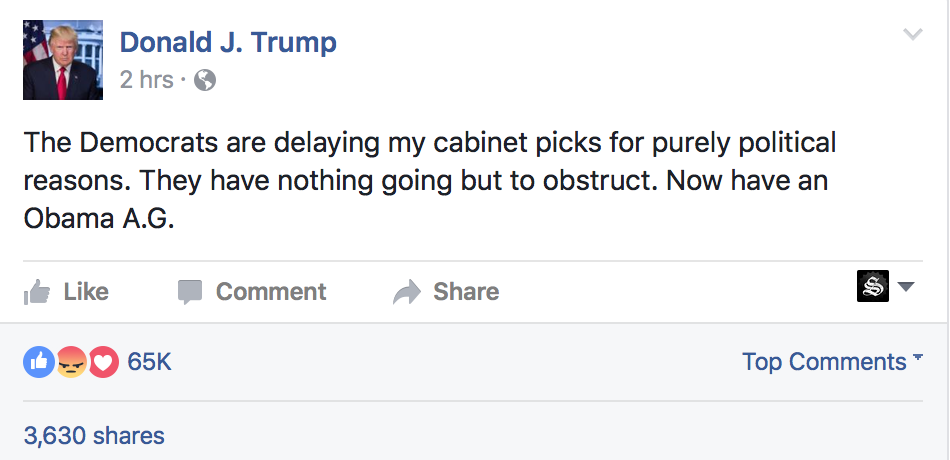
The Senate Judiciary Committee on Wednesday approved the nomination of Sen. Jeff Sessions as US attorney general after several delays forced by Democrats following President Donald Trump’s controversial firing of acting Attorney General Sally Yates.
In an 11-9 vote, Sessions finally made it through the committee process and now his nomination will pass to the full Senate, where it is expected that his confirmation will be simpler given that only a simple majority is needed and Republicans hold 52 of the body’s 100 seats.
The Alabama lawmaker has had a difficult time during the confirmation process so far given his extreme views on immigration and women’s issues, and matters became even more controversial on Tuesday when Trump fired Yates for insubordination after she ordered Justice Department attorneys not to defend his executive order temporarily barring US entry refugees and citizens from seven Muslim-majority nations.
Democrats praised Yates’ decision during the confirmation debate over Sessions and accused him of helping Trump draft the order, a claim that Republican committee chairman Chuck Grassley rejected.
Democrats claimed that any vote for Sessions would be a vote to allow Trump to eliminate the separation of the executive and judicial branches.
A 20-year Senate veteran, Sessions last year was one of Trump’s more loyal advisers, agreeing with him in many areas, including taking a hard line against crime and the massive deportation of undocumented migrants living in the US.
Meanwhile, the Senate Finance Committee on Wednesday approved Trump’s nominees to head the Department of Health and Human Services and the US Treasury, Tom Price and Steven Mnuchin, respectively, despite Democrats’ boycott of the committee votes.
Republicans unanimously agreed to change the committee’s rules to require that at least one member of each party to attend committee hearings to allow its work to continue and voted on the nominations without any Democrats being present.
Republicans made the unusual move after Democrats refused to attend a vote on the nominees for two consecutive days, arguing that both men had given dubious testimony before lawmakers about compromising situations in their pasts.
Both nominees must now be voted on by the full Senate, where partisan tensions regarding Trump’s Cabinet picks are growing in light of his recent executive orders. EFE



