


 SIGN UP FOR OUR
By Wendy Anders
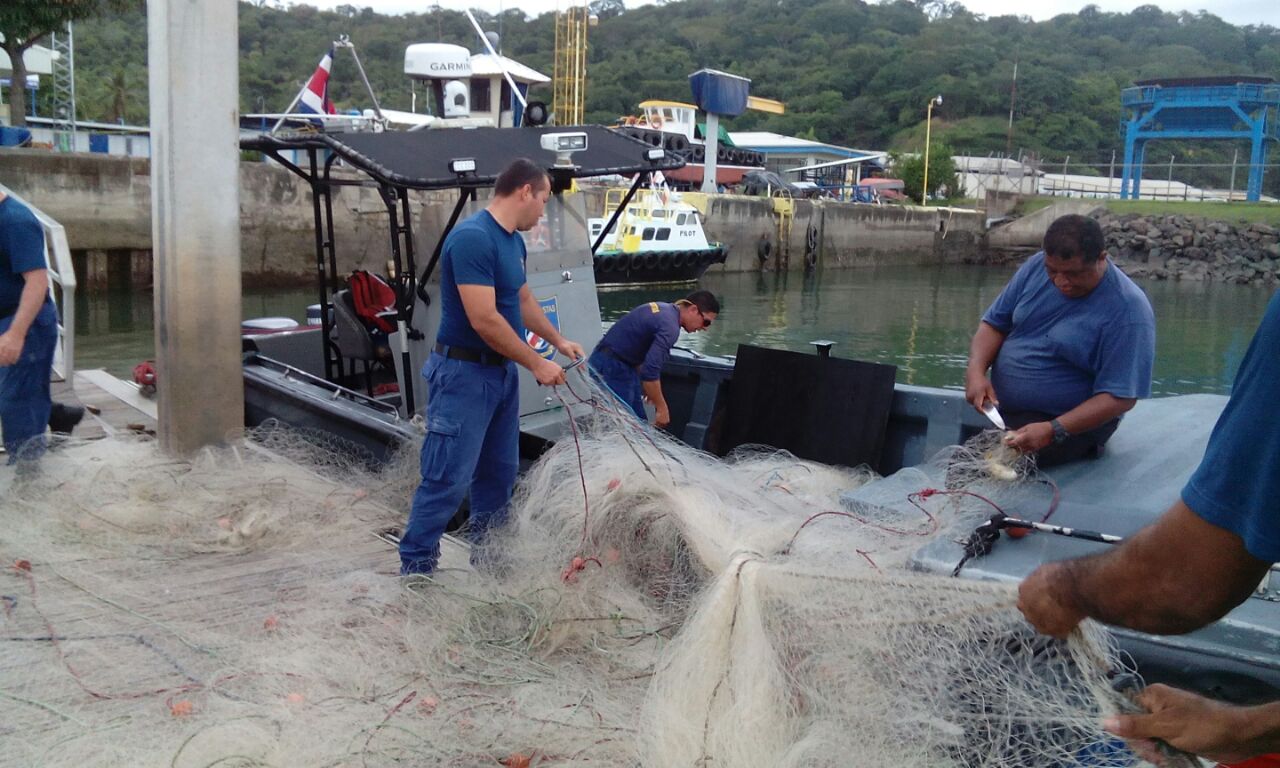
Recent incursions of European tourists into protected marine areas off northern Costa Rica’s Pacific coast has officials concerned about the impact of promoting illegal fishing among visitors, said the Costa Rican National Coast Guard Service recently.
Fishermen have been documented aiding tourists from Spain, Italy and Germany mainly in the waters off Guanacaste province’s Santa Cruz and Nicoya beaches to fish in areas where the activity is either temporarily or permanently restricted, said Commissioner Martin Arias.
“Tourists are bound by the same laws as nationals and residents. Locals bringing them to these areas are encouraging them to engage in illegal activities,” said Arias, who warned that producing negative experiences among tourists, such as possible arrests, could cause a decline in tourism over the long term in the region.
The U.N. Food and Agriculture Agency (FAO) has reported that the Gulf of Nicoya is dominated by small-scale fishermen, many of whom live in poverty. They describe the majority of these fishermen as having been displaced by agriculture and having migrated to the coast over the past three decades to undertake subsistence fishing.
Seasonal bans during spawning season lead fishermen to seek alternative sources of income, such as the recent involvement with European tourists wishing to fish in the Gulf, said Arias. Fishing during the bans can also seriously affect the already dwindling marine resources, thus also affecting local fishermen’s main economic livelihood.



