


 SIGN UP FOR OUR
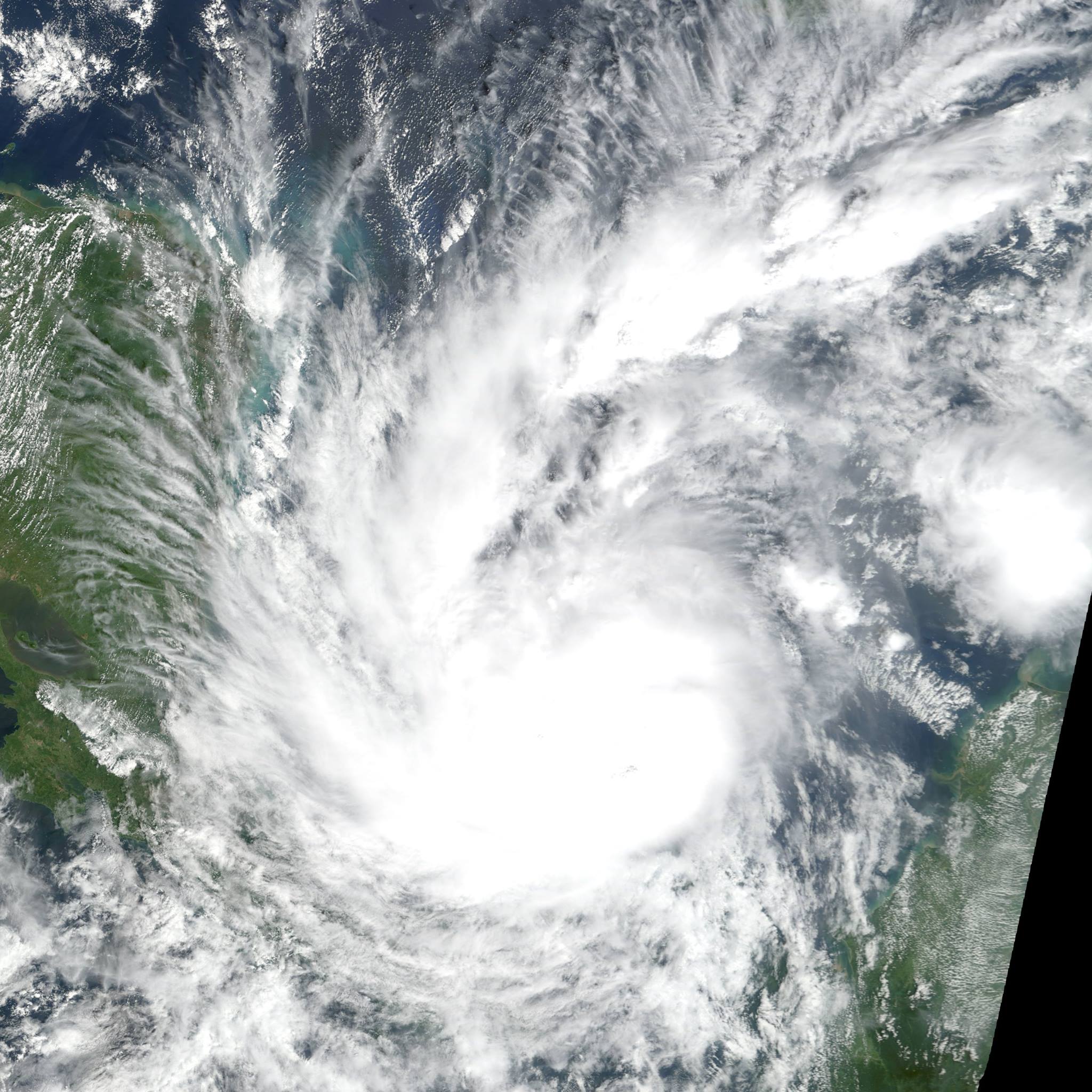
Experts say 2017 will bring a below-normal hurricane season, as a potential El Niño may limit the development of storms. Last season spawned 15 named storms, seven of which were hurricanes.
The 2017 season, which runs from June 1 to Nov. 30, follows the deadliest in over 10 years for the Atlantic basin. Last year’s was also the costliest Atlantic hurricane season since 2012, and Costa Rica saw the first hurricane touch down in its territory, with Hurricane Otto wreaking damage in several parts of the country.
AccuWeather meteorologists predict 10 named storms for this year, five of which are projected to become hurricanes and three of which may become major hurricanes.
“The big factor is going to be the fact that we now believe El Niño will come on board some time during the summer, and will continue all the way through the rest of the hurricane season,” said AccuWeather Meteorologist Dan Kottlowski.
El Niño is a phenomenon in which warmer-than-normal ocean water temperatures circulate in the Pacific Ocean near the equator. This typically causes episodes of strong westerly winds in the tropical Atlantic, which inhibit the development of storms.
“That’s the number one reason we’re going with just below normal,” Kottlowski said.
Though the transition is likely to occur, it’s too soon to tell how quickly El Niño will develop and how strong it will become.
If the El Niño pattern becomes moderate in the late summer and fall – meaning episodes of these winds are more frequent, the season could end early.
Despite these uncertainties, two to four tropical impacts are forecast for the United States.
A close eye is being kept on areas vulnerable to the effects of hurricanes such as coastal sections of the northern Gulf of Mexico, including Florida, and the Southeast coast for development, Kottlowski said.
Deep, warm water and high sea surface temperatures over the Gulf of Mexico and Caribbean also threaten to support at least one high impact hurricane similar to Joaquin in 2015 and Matthew in 2016.



