


 SIGN UP FOR OUR
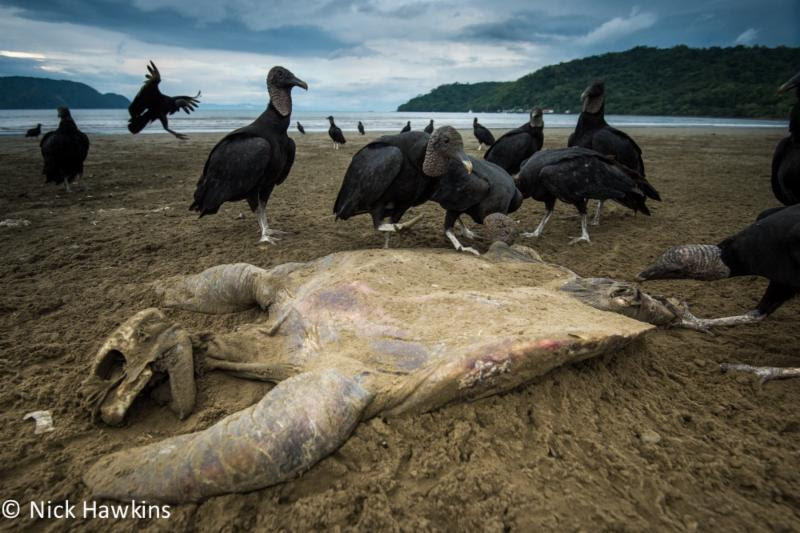
Playas del Coco, Guanacaste, Costa Rica: Guanacaste tourism operators and artisanal fishermen and women sent a letter today to the Legislative Assembly’s environmental commission, calling on its members to vote against bill N° 19,838, known as the Sustainable Shrimp Trawling Bill, saying it will jeopardize the socio-economic livelihoods of thousands of Guanacaste families. The letter was signed by 39 concerned business operators and small scale fishers representing the interests of hundreds of individuals employed in both sectors, with copies sent to the Ministers of Agriculture, Environment, and Tourism.
The letter referred to the environmental commission’s Constitutional Court mandate Nº 2013010540, that banned shrimp trawling in 2013 (to be phased out by 2019) because of its impact on the country’s “democratic sustainable development,” and explains how the number of unsatisfied tourists is growing because they are not experiencing the beauty and abundance of marine life and the plentitude of fish they expected to experience in Costa Rica.
The objective of the peaceful demonstration will be to request the legislators shelve this project that seeks to reinstate trawling in Costa Rica, as it lacks scientific support, and fails to address the socio-economic conflict between the shrimp sector and the artisanal sector.
In August 2013, the Constitutional Chamber, in its sentence 2013-10549, ordered the Costa Rican Institute of Fisheries and Aquaculture (INCOPESCA) not to issue new licenses for this technique, nor to renew existing licenses, but the government continues to promote re-licensing.
In October 2016, the School of Economics of the National University (UNA) presented a socioeconomic study of the semi-industrial shrimp trawling sector in which it showed that the practice only generates 590 direct jobs, of which 80 percent are of poor quality, and below minimum wage. Shrimp peelers earn on average 37 times less than license owners.
On the other hand, according to the study, the artisanal fishing sector represents 15,000 jobs, and trawling affects the resources upon which these workers depend.
“Allowing trawling is tantamount to cutting down a forest, devastating all resources for this and future generations. The state must promote productive alternatives to support the fishing sector, train the sector to generate these new productive projects and support them with seed capital for the initial investment,” said Haydee Rodríguez, manager of Political Advocacy, MarViva Foundation.



