


 SIGN UP FOR OUR
 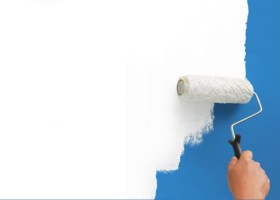 Choosing the color and tool for applying the material is as important as preparing the surface and painting the right way
By Carolina Ruiz
Bubbles, craters and roller marks are some of the unwanted results that can occur when painting your home in Tamarindo Beach and other regions of Costa Rica. What causes these issues? Is it the weather?
Although the uneven weather conditions being experienced across Costa Rica are to blame for some complications related to painted surfaces, most of the issues are due to improper painting techniques. Inadequate surface preparation, wrong tool selection, and incorrect application are some of the most common rookie mistakes that can lead to painting disasters in Tamarindo Beach. If you plan on listing your home for sale, you should know that a poor paint job can turn off prospective buyers quite quickly.
Now that is the time for preparing your real estate for the rainy season in Costa Rica, it is important to know how to perform the task in the proper way. Painting specialists explain how to avoid the five most common problems that occur when painting:
|
PROBLEM |
CAUSE |
SOLUTION |
| I already painted the wall but I can still see the previous color beneath this new coat | Inadequate painting tool |
There are different types of rolls for each type of surface (smooth, rough or extra rough). Choose the right one for your wall: If the wall is smooth, the roller must be low density; if the surface is rough, a roller with high density is required. |
| Previous color is darker than the new one |
If you are going to paint over a dark color, you have to apply sealing coats before painting. This is especially important when painting porous surfaces. |
|
| Excessive paint dilution with water |
Follow the dilution instructions that comes with the product. |
|
| There is an undesired texture | Unintended roller marks while painting |
Choose a suitable roller for the surface being covered and paint evenly. |
| Bubbles and craters appeared after painting | Excessive shaking before painting |
Follow the product’s instructions when preparing the paint. Paint evenly, without applying too many coats in the same area. If a porous surface, apply a sealant prior to application of the paint. |
| Inadequate painting tool | ||
| Excess paint in a single area | ||
| The painting is coming off the wall | Surface issues: it is too absorbent or too porous or exposed to extremely high temperatures |
Prepare the surface by cleaning it thoroughly, washing it with water and brushing it to remove any dust or any other contaminant particles. Apply a sealer product and then, two coats of paint. If you are dealing with an external surface, choose sunlight resistant paint. |
| It is uneven: there are areas with greater intensity, or color brilliance | Inadequate painting technique |
Keep humidity by spreading the paint from the wet part of the surface being painted to the dry side and vice versa. Thus a smooth and uniform surface appearance is obtained. Always distribute the excess of paint so that there are no runoffs and keep in mind that it is always better to apply two coats of paint than a single heavy coat. |
In order to correct some of these mistakes you may need to paint again the surface. Before doing so, remove completely the paint on the damaged parts, clean and prepare the surface, apply the sealer and repaint with the right technique.
According to Horacio Dobal, regional director of marketing and brand for PPG Comex in Costa RIca and Central America, in addition to any of the mentioned causes, it is also possible that these problems occur because of using a low-quality paint. In this regard, he advised to choose renowned brands, such as Comex, which owns a complete portfolio of high quality products.



