


 SIGN UP FOR OUR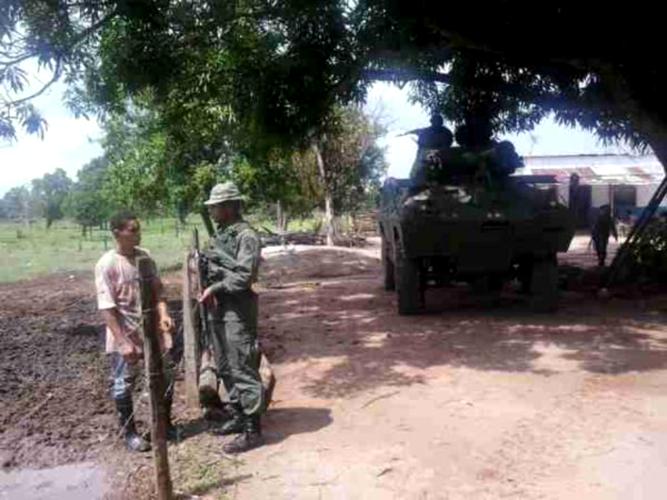
Source: Ejercito Bolivariano Twitter
By Gonzalo Dominguez Loeda
Cucuta, Colombia, Aug 26 (EFE).- Unlike many Latin American border cities, Colombia’s Cucuta offers good quality of life and a dynamic economy due, in part, to its close ties to San Antonio, the Venezuelan city that makes up the rest of an urban area now cut in half by the border closing.
When Venezuelan President Nicolas Maduro ordered the closing of the crossings on the Simon Bolivar international bridge last Wednesday night, residents on both sides of the border regretted the decision, knowing it would affect their daily lives.
In normal times, children from both sides of the border cross the bridge to attend school, accompanied by parents who have business, some legal and other less so, to do, visit relatives or simply walk the streets on both sides of the frontier.
A good example of this relationship can be seen in the vehicles circulating on the Colombian side, most of them with Venezuelan tags.
A big benefit for Cucuta residents is the cheap fuel they buy for their vehicles or smuggle in from Venezuela along with a myriad of goods filling shelves in stores.
With the border closed, however, Colombian drivers must make do with regular gas stations, while the informal spots set up by roadsides to sell fuel from jerrycans have gone dry.
Tensions are rising on the Colombian side, now mostly quiet, and feeding activity in the area near the international bridge.
“Smuggling is noticeable and the situation is delicate at the border, where there are gangs and a lot of corruption, both among the (Colombian) police and the (Venezuelan) Bolivarian National Guard,” Cucuta resident Sebastian Role told EFE.
The border closing “has caused more insults, more humiliation, and has increased risks of a confrontation between the two countries,” Role said.
Almost 1,000 Colombians have been expelled from Venezuela in recent days, leaving behind livelihoods and property, and heading toward an uncertain future.
“It was the wrong decision, this is not like being at my home and closing the door,” Role said. “These are two brother countries and you cannot adopt arbitrary decisions because it is the common citizen, the most poor, who suffer.”
Jose Agmar, a Venezuelan who was visiting his mother in Cucuta when the border was closed, said he had the option of staying at her house, but “others do not have a place and are in the streets.”
Colombians are also upset about the lack of an official response from their government, which initially described the border closing as a “sovereign decision” by Venezuela, and then took days to comment further.
In the middle of the international bridge, Colombian police and Venezuelan national guard members, separated by a wire fence and armed with rifles, stare at each other in a scene that reminds many of Berlin during the Cold War.
Now and then, however, vehicles cross the border and the armed men relax and chat about life, the hot weather and their officers.
Just like two long-time neighbors. EFE



