


 SIGN UP FOR OUR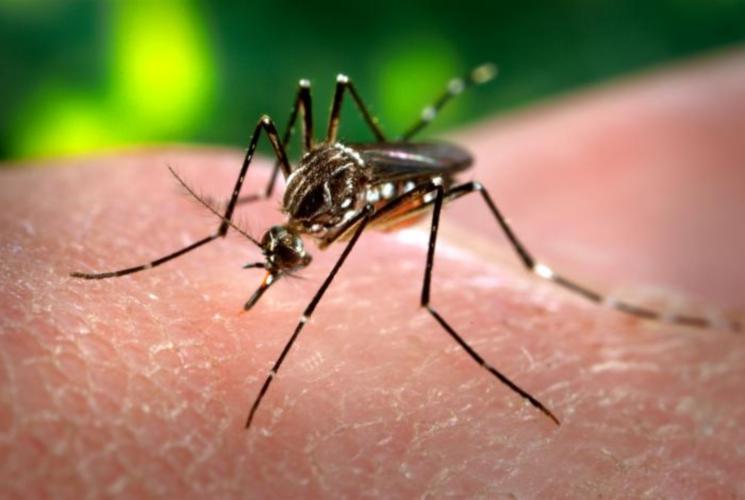
Zika is spread by the Aedes aegyptie mosquito (Wikimedia Commons)
Lab tests continue to rule out the presence of the Zika virus in Costa Rica, according to health officials, including a suspected case in a pregnant Canadian woman in Playa Potrero in the northwestern province of Guanacaste. Lab tests conducted on the woman came back negative for the virus, Minister of Health, Dr. Fernando Llorca, told reporters this week.
Health officials have so far conducted lab tests on 45 patients across the country that were suspected of being infected with Zika. All have come back negative, health officials said on Wednesday.
Costa Rica’s Ministry of Health sent a formal request to the World Health Organization (WHO) on February 9th asking to be removed from the list of nations with active, indigenous transmission of the Zika virus.
Costa Rican health officials have said that there continues to be no evidence that the virus is actively circulating in the country.
On February 2nd, the US Centers for Disease Control (CDC) included Costa Rica in a list of countries where Americans should avoid travel as a result of the virus, after a tourist from the United States fell ill with the virus after visiting the country. The WHO followed suit three days later.
While many Costa Rican health officials have described as “likely” that the tourist in question did in fact catch the virus while visiting Costa Rica, there have been no other cases of indigenous transmission of the virus either in the province of Guanacaste, where the tourist had visited, or anywhere else in the country.
Besides the US tourist, Costa Rica has had only two other confirmed cases of Zika, both imported from abroad. One case was confirmed in a Costa Rican man who had returned from a trip to Colombia, where he is believed to have contracted the virus. The second case was in a man who was visiting from Honduras.
Health Minister Llorca and Security Minister, Gustavo Mata announced earlier this month plans for a massive mobilization of some 14,000 workers from the Ministry of Public Security (MSP) to be deployed alongside workers from the Ministry of Health to fumigate and eliminate breeding grounds of the Aedes aegypti mosquito, which spreads the Zika virus as well as dengue and Chikungunya.



