


 SIGN UP FOR OUR
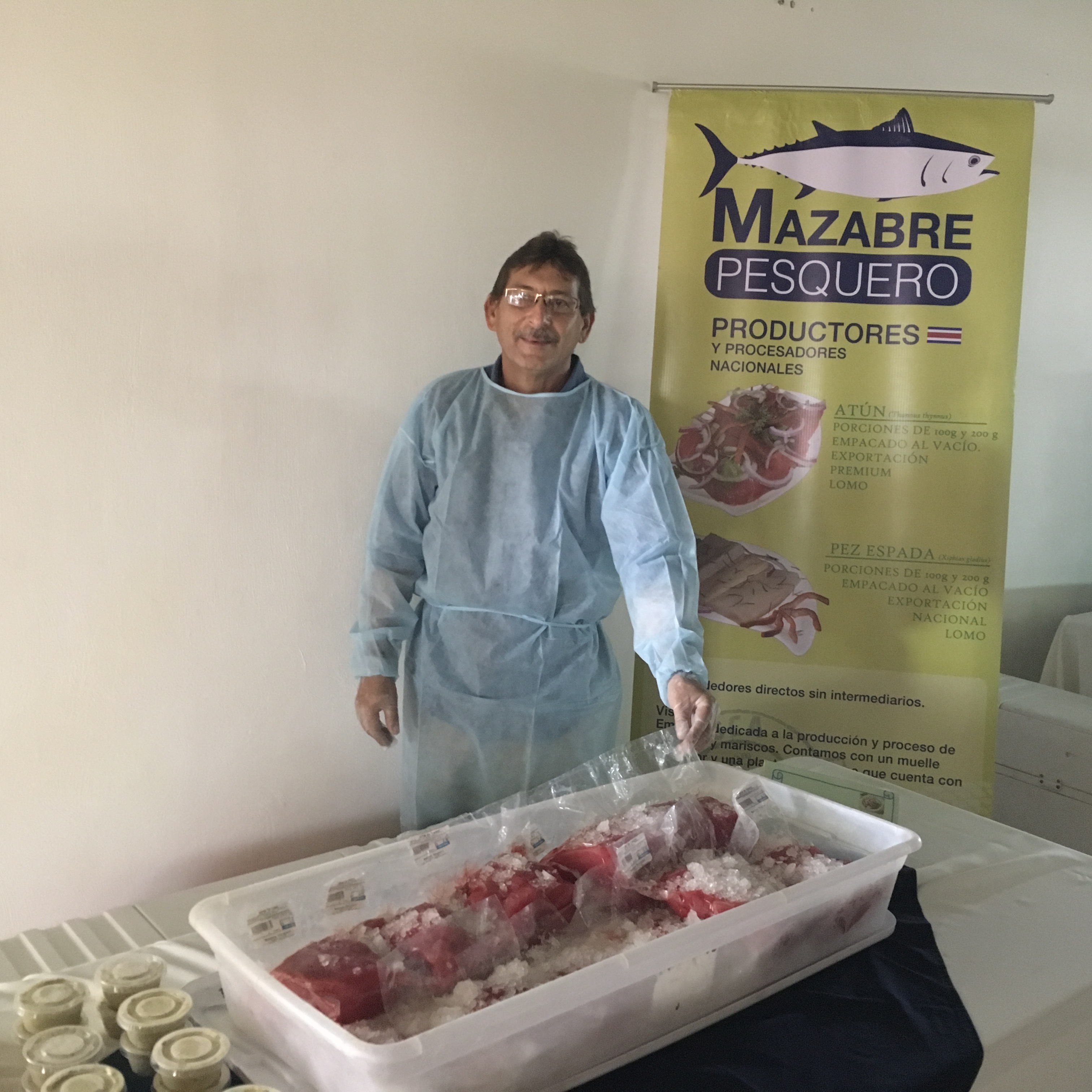
—Currently a situation of rivalry between government institutions in Costa Rica hinders efforts to improve small-scale fisheries, found a case study on Costa Rica.
A report released this week by the United Nations Food and Agriculture Organization’s Fisheries and Aquaculture Department and the International Union for the Conservation of Nature’s (IUCN) Fisheries Expert Group analyzed the role of marine protected areas (MPAs) in fishery livelihoods and local food security.
The report contains an analysis of Costa Rica’s marine protected area system and its effectiveness in managing the country’s small-scale fisheries.
Even though thousands of Costa Rican households rely on artisanal fisheries for their economic well-being, found study author Andy Bystrom, environmental consultant and marine researcher at the University of Costa Rica, the country’s coastal protection system is not designed to sustainably manage the country’s small-scale fisheries.
Bystrom holds that there is a rivalrous approach to fishing community concerns and needs, in which the Costa Rican Fisheries and Aquaculture Institute (INCOPESCA) and the National System of Conservation Areas (SINAC) lack cooperative governance structures that allow local fishing communities a certain degree of responsibility and say regarding monitoring and decision-making in the areas.
The researcher said that the institutions have adapted to better include fishers in the design and implementation of coastal protection areas, but need to “develop a coastal management system that supports the development of science-based sustainable fisheries and community-supported management structures.”
“Without this mutually agreed upon governance structure, the roles that MPAs in Costa Rica will play in the future concerning increasing food security and sustainable livelihoods among the country’s small-scale fishing communities will be weakened,” warned Bystrom. “This situation is highlighted by the shrimp trawler that was caught illegally fishing in the Camaronal Wildlife Refuge on February 8, 2017 and its use of destructive fishing gear and resulting environmental impact that threatens a large portion of the country’s small-scale fishing population,” he continued.
The report also includes several other case studies from Africa, Asia, Latin America and Oceania.



