


 SIGN UP FOR OUR


Doctors from the Costa Rican Social Security Agency (CCSS) are joining a medical mission from Texas this week to provide a variety of health services to residents of several indigenous villages in the Chirripó de Turrialba region, said Heylin Quesada Alvarado, medical director of the Turrialba-Jiménez Health Area
The medical team with visit the Cabecar indigenous communities of Boyei, Grano de Oro, Alto Quetzal and Shinakichá from Monday, April 24 to Friday, April 28, as part of a health fair that aims to the benefit some 8,000 indigenous people living in the region.
The health fair will include general medicine screenings by the Turrialba – Jiménez health area staff in the communities of Boyei and Grano de Oro throughout the week, and will include dentistry. CCSS staff will also provide basic trainings and educational information to the rural population.
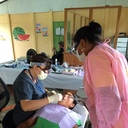
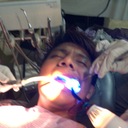
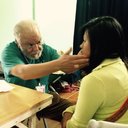
A highlight of the fair is a specialized clinic to be held at the Grano de Oro community hall offering internal medicine, pediatrics, optometry and dentistry services by professionals of the Medical Missionaries of the Divine Mercy from the St. Laurence Catholic Church in Sugar Land, Texas. These special services aim to reach about a thousand individuals.
The activity is part of a health fair that involves extensive inter-institutional participation, said Quesada. So, in addition to medical care, a series of training sessions will be held on topics including drug use and addiction in adolescents, protective health factors in adolescence, consequences of smoking, prevention and treatment of diarrheal diseases, and vector-borne diseases (dengue, zika, Chikungunya, malaria and leishmaniasis).
University of Costa Rica medical students will carry out intestinal parasite screening. Quesada explained that intestinal parasites are a persistent problem in the region due to the ecology, sanitation and personal hygiene habits. They can cause loss of appetite, nutrient absorption problems, and anemia, among other health conditions.
“Carrying out this screening is a challenge for health personnel, given the cultural conditions of our indigenous population, mainly in relation to the collection of stool samples,” he said.
Other institutions and organizations involved in the health fair include the Cantonal Council of Institutional Coordination of Turrialba, the Nutrition and Education Center (CEN-CINAI), the National Council for Persons with Disabilities, the National Directorate for Community Development, the Dr. William Allen Taylor Hospital, the Institute on Alcoholism and Drug Dependence, the Joint Institute for Social Assistance (IMAS), and the Judicial Investigation Agency (OIJ), the Institutional Committee of the Indigenous Turrialba Region, the Judicial Branch, and the University of Costa Rica.
The Turrialba – Jiménez Health Area consists of three basic health care teams (known as EBAIS, in Spanish), and eight health posts to provide remote health care on a rotating basis to the nearly 8,000 indigenous people living in this area of the country, spread over an area of approximately 980 hectares.
The St. Laurence Catholic Church in Sugar Land, Texas has sent medical missions every year to indigenous areas in and around Limón and Talamanca since 2014.



