


 SIGN UP FOR OUR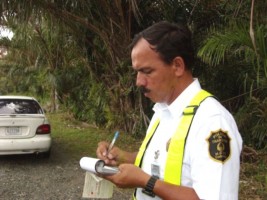
Source: Google Images CC
A single arrest for suspicion of drinking and driving in Costa Rica may involve hours of work and take Transit Police officers off the highways and roads they are supposed to patrol. Such is the assessment presented by Hulda Miranda in a recent investigative report published in La Nacion. Ms. Miranda described the plight of the Transit Police officers as an uphill battle they have been fighting since 2008.
The report begins with a vivid description of a DUI procedural:
In a bench at the prosecutor’s office, a drunk man lays his head on the shoulder of the Transit Police officer who arrested him hours ago. Time has passed and the officer has had to put up with the stench and unruly behavior of the driver, who is just beginning to stir. If the line at the office is short, they will only wait two more hours, but the process normally takes five hours.
In 2008, the Blood Alcohol Content (BAC) level that determines a drinking and driving violation in Costa Rica was legislatively set at 0.75 grams per liter of blood. Along with this determination, the need for scientific measurement of BAC levels and making driving under the influence (DUI) a crime punishable by up to three years in prison was also enacted.
Before 2008, DUI consisted of an administrative proceeding that was handled by impounding the vehicle and setting a monetary fine. Things have drastically changed since. Ms. Miranda interviewed Officer Diego Herrera, who is assigned to San Jose:
If a colleague and I come across a DUI suspect and we are riding our motorcycles, we have to call a patrol car (that has a DUI breathalyser kit). If the field testing is positive, then we have to call another patrol car to transfer the suspect, so that’s another two officers for a maximum of six who are responding to a single incident.
The situation turns truly Kafkian after the suspect is transported to the prosecutor’s office. Scientific testing means a blood test, which involves La Caja (Costa Rica’s public health system), which means taking health workers out of their duties. Police officers must be careful here because this is an invasive procedure that involves sharp objects; a false move could give a savvy suspect enough legal ammunition to file a retaliatory complaint that could lead to suspensions, investigations, hearings, and other unpleasantness. Hours later, if the field testing was borderline 0.75, the suspect’s metabolic process could render a blood test unfit for prosecution.
Category A DUI offenses, those between 0.50 and 0.75 BAC are not normally charged as criminal offenses in Costa Rica. If there is sufficient in flagrante delicto evidence such as damage to property or injury, then the suspect can be compelled to appear in Flagrancy Court. But even such cases do not guarantee jail time for offenders unless the damage and injury they have caused are serious.
In Costa Rica, Transit Police officers and prosecutors would rather issue fines for 293,000 colones (about $550) and temporarily impound the vehicle than to see charges filed, which could mean a lengthy court process if the defendant retains aggressive counsel.



