


 SIGN UP FOR OUR

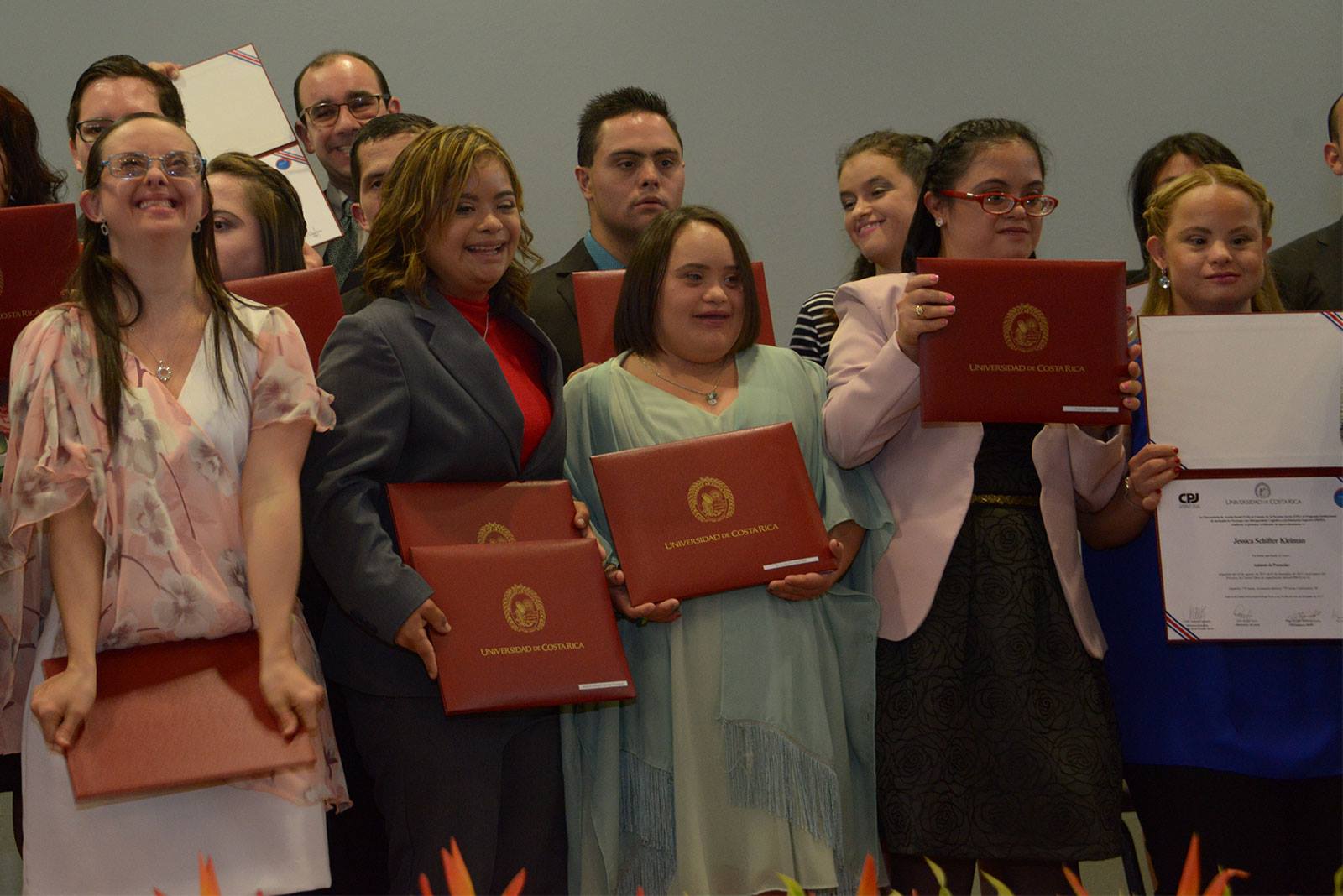
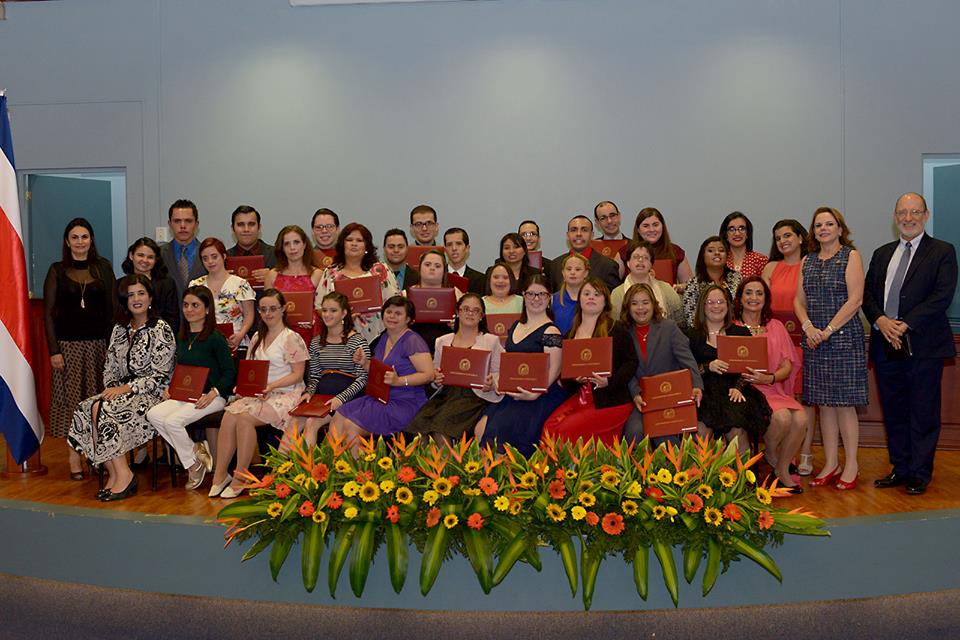
The University of Costa Rica proudly presented the first generation of students with Down syndrome and intellectual disability that graduated as assistants (for offices, libraries, restaurants, veterinaries and preschool).
In total 31 students received their degree and out of these number 14 already have a job.
The higher education inclusion program for people with intellectual disabilities was created in the University of Costa Rica with the purpose of offering this population new opportunities of employment and in this way helping them achieve independence.
According to the National Council of People with Disabilities, in Costa Rica there are almost half a million people with this condition and only 23% of those between the ages of 15 to 60 years old have a job. With this in mind and also realizing that there were very little opportunities of higher education for this population the University of Costa Rica designed several independent courses and also a three year education program focused on preparing this population for the working world.
Students in this program join the college world like any other student, they have no special benefits due to their condition, they have to comply with obligations and schedules just like any other student; this experience allows them to prepare for the world and also prepares fellow students and professors to learn to live in an inclusive world.
To be part of this program, students must be 18 to 34 years of age, they must have graduated from the special education or high school education system, their condition (Down Syndrome or Intellectual disability) must be certified by the Costa Rican Social Security Service.
“This is an innovative program in Latin America and the world. We are not aware of any other alike. For us as an Association it is very important because it gives the opportunity to students with Down syndrome and intellectual disability to continue their education and live in a university atmosphere. It is also important for the rest of the students in the university since it raises awareness and respect towards diversity for this population”, stated Rosette Kleiman, president of the Down Syndrome Association of Costa Rica.
“With this graduation we have reached the middle of the road, now we wait for the society to handle the second half by given them job opportunities”, explained Mildred Garcia, Program Coordinator.



