


 SIGN UP FOR OUR
 The United States Ninth Circuit Court of Appeals scheduled a hearing for Tuesday, Feb. 7 to determine the immediate future of the immigration ban implemented by the U.S. president, which has been blocked by a federal judge.

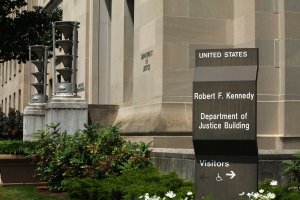
Government attorneys presented their arguments on Monday to the San Francisco-based tribunal, which will now decide whether to reinstate the travel ban on all refugees and on citizens of seven Muslim-majority nations.
The hearing will be held by telephone at 3:00 p.m. local time in California (11pm GMT) and will last about 60 minutes.
It will be presided over by a panel of three judges: William Canby Jr, nominated by former Democratic President Jimmy Carter; Richard Clifton, nominated by Republican George W. Bush; and Michelle Taryn Friedland, nominated by Democrat Barack Obama.
The Justice Department document presented to these judges argues that Donald Trump’s travel ban is a “legal exercise” under presidential power to ensure national security.
On Feb. 3, federal judge James Robart provisionally blocked the presidential order while reviewing the case at the request of prosecutors from Washington and Minnesota states, both Democrats.
The government on Feb. 4 launched a legal appeal against Judge Robart’s decision, requesting an emergency stay to the Ninth Circuit Court of Appeals to restore the ban.
The Appeals court rejected this request on Feb. 5, upholding Robart’s decision to block the travel ban.
The executive order banning immigrants from these seven countries has been formally challenged by 15 states.
If the Ninth Circuit Court of Appeals on Tuesday again rejects the government’s appeal, it is possible that the legal battle will reach the U.S. Supreme Court.
There is still a four-way tie in the Supreme Court between liberal and conservative judges, pending Senate confirmation of Judge Neil Gorsuch, nominated by President Trump, for the position left vacant by the late Antonin Scalia.
In the case of a tied vote, the decision taken by the lower court would prevail. EFE



