


 SIGN UP FOR OUR
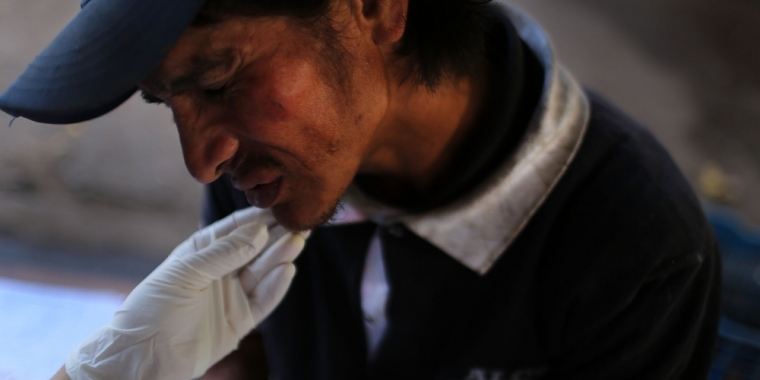
A report presented last week by the international medical humanitarian organization Doctors Without Borders/Médecins Sans Frontières (MSF) said their teams in Mexico treating migrants show a “pattern of violent displacement, persecution, sexual violence, and forced repatriation akin to the conditions found in the deadliest armed conflicts in the world today,” in people fleeing El Salvador, Honduras, and Guatemala.
The humanitarian group is calling for “adequate health care, support, and protection for these victims of violence as they travel through Mexico,” and presented data from their work and from a recent survey. They said, “There is inadequate response from governments … whose immigration and asylum policies disregard the humanitarian needs of migrants and refugees.”
Recent data from the United Nations High Commission on Refugees (UNHCR) speaks of an estimated 500,000 people crossing into Mexico every year, the majority originating from the region now referred to as the Northern Triangle of Central America (NTCA) – one of the most violent regions in the world today.
“The violence suffered by people in the NTCA is comparable to the experience in war zones where MSF has been present for decades. Murder, kidnappings, threats, recruitment by non-state armed actors, extortion, sexual violence, and forced disappearance are brutal realities in many of the conflict areas where MSF provides support. The evidence gathered by MSF points to the need to understand that .. migration from the NTCA is … a broader humanitarian crisis,” details the MSF report.
Having provided medical and mental health care for the past five years to northern triangle migrants and refugees, doctors have seen how,
“Trauma, fear, and horrific violence are dominant facets of daily life. Yet it is a reality that does not end with their forced flight to Mexico. Along the migration route from the NTCA, migrants and refugees are preyed upon by criminal organizations, sometimes with the tacit approval or complicity of national authorities, and subjected to violence and other abuses—abduction, theft, extortion, torture, and rape—that can leave them injured and traumatized.”
“Nearly 98 percent of NTCA citizens were captured by immigration authorities in 2015, with devastating consequences on their physical and mental health,” said MSF in their recent report which is based on surveys and medical data from the past two years.
From January 2013 to December 2016, MSF teams .
During these years of providing direct medical care to at least 34,000 migrants and refugees from the northern triangle, the group has documented “The extensive levels of violence against patients treated in these clinics, as well as the mental health impact of trauma experienced prior to fleeing countries of origin and while on the move,” continued the report, which provides “some of the most comprehensive medical data available on migrants and refugees from Central America.”
A survey in 2015 of 467 randomly sampled migrants and refugees in Mexico found that almost 40 percent reported their motive for fleeing their home was because of “direct attacks or threats to themselves or their families, extortion, or forced gang recruitment.”
Also in this survey over 40 percent said they had a relative who had died from violence in the last two years, and more than 55 percent of Salvadorans surveyed had a relative who died due to violence in this same time span, reported MSF.
Additionally, 54.8 percent of Salvadorans reported having been a victim of blackmail or extortion, significantly higher than respondents from Honduras or Guatemala.
While data on such experiences is shocking, still worse is the finding that over 68 percent of respondents reported being victims of violence during their transit toward the United States. And nearly one-third of the women surveyed said had been sexually abused during their journey.
“Despite the existence of a humanitarian crisis affecting people fleeing violence in the NTCA, the number of related asylum grants in the United States and Mexico remains low. Given the tremendous levels of violence against migrants and refugees in their countries of origin and along the migration route in Mexico, the existing legal framework should provide effective protection mechanisms to victimized populations. Yet people forced to flee the NTCA are mostly treated as economic migrants by countries of refuge such as Mexico or the United States,” continued the report.
MSF said that their humanitarian work in more than 60 countries involves “delivering emergency aid to people affected by armed conflict, epidemics, disasters, and exclusion from health care.”
The data in their Central America report, “paints a dire picture of a story of migration from the NTCA as one of people running for their lives,” calling the situation,
“A humanitarian crisis that demands that the governments of Mexico and United States, with the support of countries in the region and international organizations, rapidly scale up the application of legal protection measures—asylum, humanitarian visas, and temporary protected status—for people fleeing violence in the NTCA region; immediately cease the systematic deportation of NTCA citizens; and expand access to medical, mental health, and sexual violence care services for migrants and refugees.”



