


 SIGN UP FOR OUR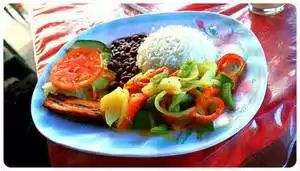
Source: Getty Commons
The BBQ grilling season in Costa Rica coincides with the holidays and the beginning of the busy tourist season. Although there has been a recent push towards greater diffusion of outdoor grilling culture in Costa Rica thanks to events sponsored by Weber and the promotion of higher-quality cuts, skyrocketing beef prices are prompting many families in Costa Rica to put away their grills and enter a period of economic vegetarianism.
The sharp increase of beef prices in the Americas is explained by a recent Associate Press article published by the Houston Chronicle (a major market for grilling):
A dwindling number of cattle and growing export demand from countries such as China and Japan have caused the average retail cost of fresh beef to climb to $5.28 a pound in February, up almost a quarter from January and the highest price since 1987.
[…] quick trips to the grocery store could drag on a little longer as shoppers search for cuts that won’t break the budgets. Patrons at one market in Lubbock seemed resigned to the high prices, but not happy.
“I quit buying steaks a while ago when the price went up,” said 59-year-old Lubbock resident Len Markham, who works at Texas Tech. She says she limits red meat purchases to hamburger, opting for chicken, pork and fish instead.
A similar situation is being experienced in Costa Rica, although it extends beyond red meat. The prices of poultry, pork, cold cuts, and even fish are outpacing inflation; as a result, more households are seeking nutritional comfort in fruits, vegetables and grains, which are already staples at the family table but are now becoming almost exclusive. This nutritional trends conforms to the definition of economic vegetarianism found in Wikipedia:
An economic vegetarian is a person who practices vegetarianism from either the philosophical viewpoint that the consumption of meat is expensive, part of a conscious simple living strategy or just because of necessity. In the developing world, where large numbers of poor people might not be averse to eating meat, they are regularly forced to not eat it, since meat can often be a luxury.
It is important to note that families practicing economic vegetarianism in Costa Rica are not likely to forego dairy products or eggs from their diets, which can be found at prices far more reasonable than meat. Sometimes these nutritional trends are regional; for example, Guanacaste is a cattle-raising region, and thus beef prices tend to be lower (except in beach communities). The same goes for Limon and Puntarenas, where fish and seafood tend to be cheaper (again, not at tourist hotspots).
Rising beef prices are not only giving way to economic vegetarianism but also smuggling and rustling. The Costa Rica Star has been following the wave of cattle theft in the northern region over the last two years. A nascent black market for beef and other meat products has public health officials in Costa Rica concerned about possible digestive infections.



