


 SIGN UP FOR OUR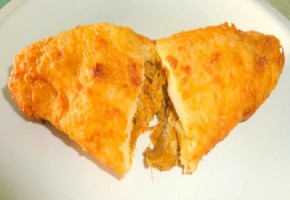
Photo by Jack Donnelly
By Jack Donnelly
Yuca is not yucca and it’s not at all yucky. Yuca is cassava in English. It is one of a number of starchy roots important to the tropical diet. It is often sold protected with a layer of paraffin, like rutabagas in the United States.
Yucca is common in drier areas of the Americas and the Caribbean and is often used as an ornamental plant. The only part of yucca that is widely eaten in Costa Rica is the lovely white flower called flor de itabo. The root is toxic and was used by Native Americans to poison and collect fish for human consumption—illegal today.
In Tico cuisine yuca is prepared in a variety of ways. It appears in all manner of dishes—fried, boiled, stewed, etc. I can’t tell you how many times I’ve had gringos tell me how odd the potatoes are here—they were eating yuca.
I like yuca in all its splendiferous forms, but my favorite is the enyucado. This is easily the least common way to partake of yuca and it may take some work to locate a purveyor. However, your stomach will be forever appreciative of your effort.
Enyucados are labor intensive to make. First, you boil yuca until it’s very soft and mushy. The soft yuca is then mashed into a sort of dough so it can be worked into a thick oblong form—highly variable, but akin to the shape of a hot dog roll. During the process a filling is worked into the center of the enyucado. This is usually carne mechada con salsa, pulled meat with sauce, but I have seen cheese and other delights. It is then fried and eaten hot.
Enyucados can often be found in small restaurants, sodas, or stands with glass cases on the street. One good sized enyucado makes for a decent light meal or a hearty snack. This delicacy gets my vote for the best street food in Costa Rica.
Yuca frita is simply small chunks of yuca deep fried. It does not absorb as much oil as potatoes do and sits very comfortably in your stomach. It is also far tastier and has a much more interesting texture than potatoes. If you don’t want your yuca frita slathered with mayonnaise and ketchup, you should ask for the salsas to be served on the side when you order. A small plate can easily be shared by two or more people.
Yuca is also frequently boiled or stewed until it is cooked but still firm.
Finally, yuca warrants some special attention as probably the best belly ballast for imbibing you can find. A little yuca in your system will help you soldier through the toughest pub crawl.
The name yuca comes from the Taíno language. The Taínos were one of the first New World groups encountered by Columbus in the Caribbean. Yuca bread, provided by the locals, was a dietary staple for Columbus and his crews on his voyages. The Yucatan Peninsula was so named because it was rich in yuca.
If yuca is not already part of your diet, you are missing out on a tasty aspect of Costa Rican cuisine.
About the Author
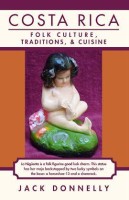
Jack Donnelly has been a life-long enthusiast of Latin American folk culture. As a young man, during the 1960s, he studied cultural anthropology at the Universidad de las Américas in Mexico City. He went on to volunteer with the U. S. Peace Corps in Guatemala.
Now, Donnelly lives in Heredia, Costa Rica. He travels around the country investigating and documenting folkloric events. Donnelly is the author of COSTA RICA: Folk Culture, Traditions, and Cuisine which is available on Amazon in paperback and Kindle.



